
Caring for a Senior Dog
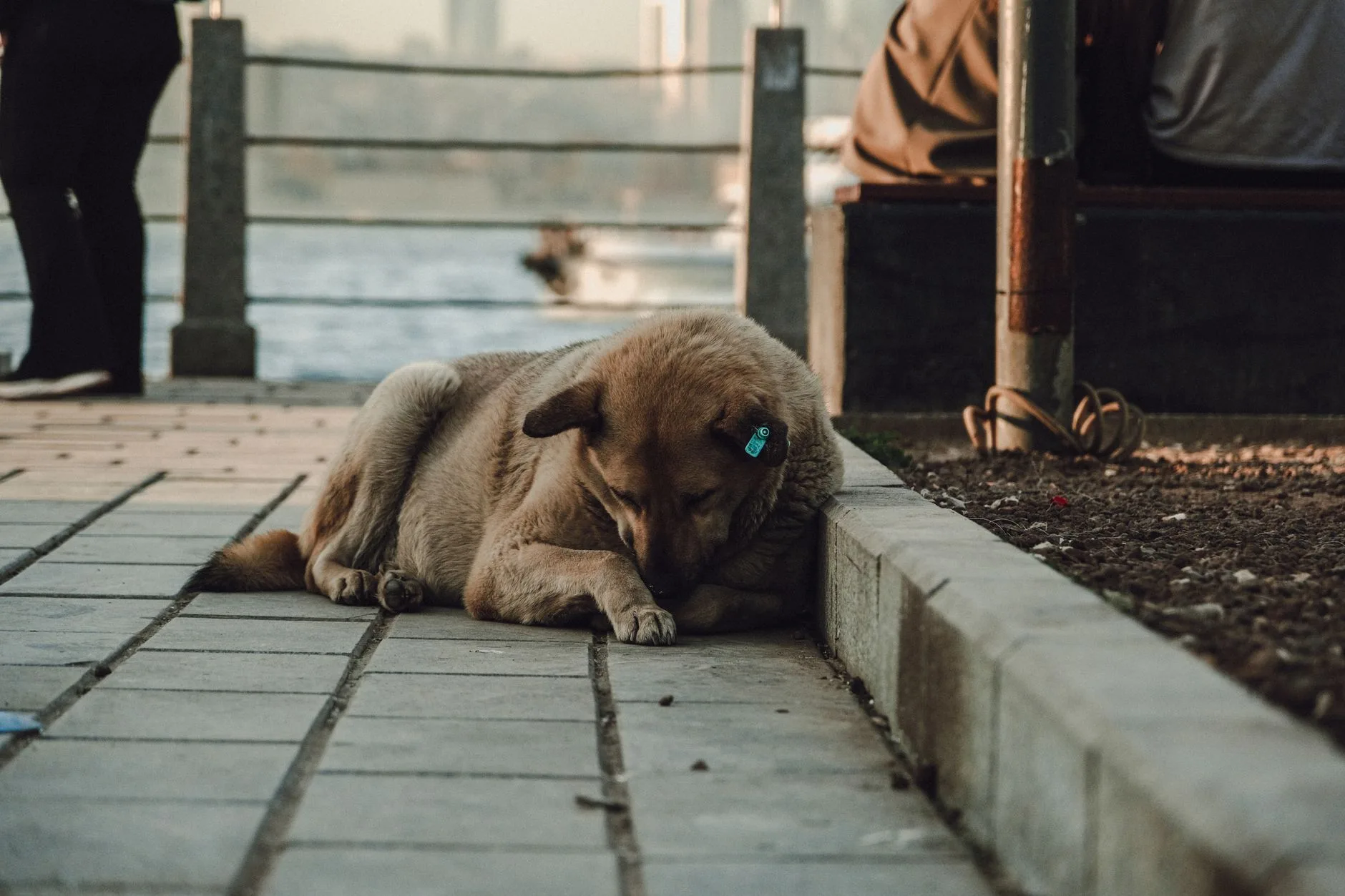
It's bittersweet watching our dog grow older. They've been through so much with us and now it'll be our turn to help them navigate through their golden years with the comfort and dignity they deserve.
With senior dogs, the care they need is typically different than what they had to when they were younger, but the adjustments are less daunting when you know what to anticipate. Most dogs start to become seniors at around 7 years old, although bigger breeds age much faster than small ones.
Recognizing the Signs of Aging
It’s completely normal to see your dog show changes in behavior. Having noticeable gray hairs around their muzzle or the eyebrows is a sign of aging. You might see them taking longer to finish their walks, or stare into space as they seem to sleep more often than before.
Dog's age not only shows in their hair, but in their overall body as well. Take note if they seem stiff after resting, or if they appear confused. Some may gain weight, and others may lose their appetite. Knowing your individual dog will help to see if something is wrong.
Adjusting Their Diet and Feeding Routine
Senior dogs still need quality nutrition, but because they are less active, they need fewer calories. Switching to a senior formula food helps provide nutrition specifically designed to help with joint support, and is easier to digest. Many veterinarians suggest this.
If your dog has trouble bending down to eat, raised bowls can help. Providing smaller and more frequent meals rather than one or two large meals can also help. Older dogs are also more likely to become dehydrated, so it is important to regularly provide access to fresh water.
Exercise and Mental Stimulation
Even though your senior dog still needs some exercise, try to make it at a gentler pace. Walks can be broken up into smaller chunks to be taken more frequently throughout the day rather than one long walk at a time. If your dog is suffering from arthritis, then swimming is fantastic exercise, as the water will help support their joints.
Most dogs can also benefit from a good deal of mental exercise. Coppertone has always enjoyed puzzle toys and I've noticed that he stays more mentally fit when we make it a point to exercise his mind. Dogs can benefit from good mental exercise through simple refreshers of old training, gentle playtime, and new (but always calm) experiences.
Common Health Issues to Watch For
Reluctance to jump and limping can be signs of arthritis and joint pain, which can also cause difficulty with movement. Other things to watch for include compromised cognitive abilities, comparable to human dementia; loss of hearing or vision, which can lead to being easily startled; an increase in thirst or indoor accidents, which could be signs of kidney or liver problems; and any abnormalities or skin growths that need evaluation by a veterinarian.
Making Your Home More Comfortable
It's often the little things that make the biggest impact. For example, orthopedic beds can help improve joint pain, and rugs designed to minimize slippage on hardwood/plank flooring can help prevent falls.
If your dog used to come up to sleep with you at night, but can no longer do so because of the stairs, think about making a comfortable sleeping arrangement on the first floor or consider getting ramps or stairs designed to accommodate pets. If your dog struggles to see, night lights can help to prevent accidents. The goal is to make sure your dog can safely and freely move about the house as independently as possible.
Veterinary Care and Monitoring
Older dogs typically have more serious health problems than younger dogs, and because of this, they should get checkups more regularly. Senior dogs should see their veterinarian every six months. Senior dog checkups often include blood tests. They do this so that they are able to check for issues while they are still in their early stages and easier to handle.
Be sure to document any problems that you see at home, even if they seem minor. Some examples of what to include are things like unusual behavior such as labored breathing, changes in their bathroom habits or any new growth of lumps. Providing information about any of these things can be very useful to your vet. Many vets will confirm that early detection of problems can help with a multitude of age related conditions.
Dogs that are entering their senior years require special attention and care. You can feel joy knowing your pet has years of companionship and love and devotion and they are starting to need your help to age in a way that is comfortable and graceful.