
How to Choose the Right Dog Crate
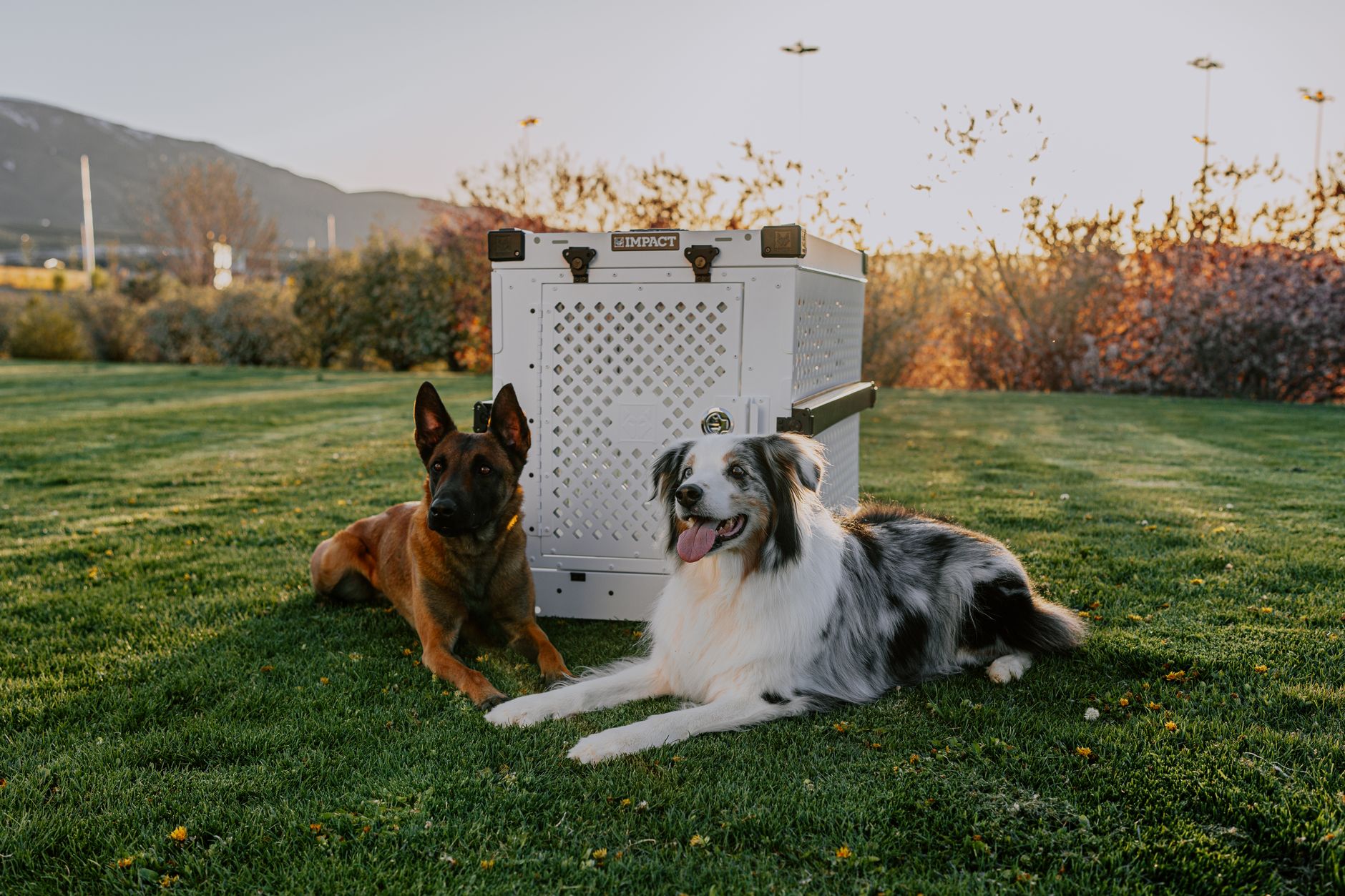
When picking out a dog crate, it can feel stressful when looking online, or seeing the huge pet store selection. A good crate is not only a good travel necessity, but it can also become a training tool and safe space for your dog.
When I bought Copper's first crate, I spent way too long doubting myself, so I understand the uncertainty. This guide shows only the most important things to help make your choice easier.
Why Crate Size Matters Most
The most important aspect is getting the right size. Your dog should be able to stand without hunching, should be able to turn around, and lie down and stretch their legs. These movements tell you if the fit is right.
Many owners buy crates that are too large, thinking they are being generous. A crate that is too large is actually counterproductive to your training. Dogs do not like to soil their sleeping area. If they have enough room to use one end as a bathroom, they will use that end, which will set back your training and make it harder to correct bad habits.
If you have a puppy that is going to grow a considerable amount and you anticipate needing to buy multiple crates, look for ones that have divider panels. This will allow you to modify the space as your dog grows.
Material and Design Options
Wire crates hold an edge over the other crate types due to their great visibility and ventilation. Most anxious dogs will appreciate and benefit from the ability to see their surroundings and not feel isolated from the rest of the family. Plus, I really appreciate how they collapse flat for easy storage when they're not in use.
Plastic crates are also called airline style kennels and provide a more closed and den like feel. Some dogs may even prefer the more enclosed and cozier environments. Nervous dogs may feel more secure in these types of kennels and they are required for air travel. Lastly, they're also really easy to clean in the event of an accident.
Dogs that travel a lot and are calm and already crate trained are a good fit for soft sided crates. They are lightweight and are easy to travel with. However, these are not a good fit for dogs who chew and scratch. If you are choosing a crate for beginning training, this is not the crate you want. It is more of an option for dogs that already love their crate.
Key Features Worth Considering
A removable tray on the bottom means you won’t need to worry about mud or accidents while cleaning. Double doors help for larger spaces or for your dog to enter and exit comfortably. The latches should be secure and designed so that your particular dog will not be able to open it, considering that some dogs can be surprisingly smart and escape. Look for corners that are rounded and/or covered for dogs who tend to be rough with the equipment. And if you travel often, make sure the crate will fit in your car.
Where the Crate Will Live
Before you make a final decision, think about how your dog's crate will fit into your space. Your dog's crate will need space to move around in the house instead of just being tucked away in a basement. When you look at available space, make sure you measure the floor space precisely. I learned this the hard way. Portability can definitely affect whether you choose a crate that you will move between rooms or take on trips, as well.
What About My Dog's Personality?
Dogs that are more anxious normally will do well with either a plastic crate or a wire crate with a cover. The cover will help create a den like environment for your pets. The cover adds a little bit of darkness and can help your anxious dog calm down. Owners have said that some anxious dogs will cover their modified dens themselves.
A dog that may be more social or more high energy may enjoy a wire crate. They may enjoy watching the activity of the house. As the activity of the house begins to pick up and more people and possibly other pets are up and moving, that may help reduce their feelings of being left out and help put an end to their whining or barking.
If your dog has a history in attempting to escape from a crate or developing anxiety, you should consider finding the sturdiest crate you can find. This means the heavy duty wire crates that have reinforced corners that lock. Some dogs will need assistance in developing a more positive relationship with crates, and this is perfectly reasonable.
How Do I Know If It's Working?
After weeks of gradual and positive training, your dog should be able to relax while in the crate. You'll know you made the right choice when your dog goes in, and without a lot of fuss and commotion, settles in quietly.
If your dog seems to be uncomfortable in the crate, first check the basics. Is the crate suited to your dog's size? Is the crate located in an area that is too hot, cold, or too isolated? Small changes can resolve a lot of issues. If all of these problems have been addressed, and with enough patience and properly sized crate training, speak with your veterinarian or a dog trainer to discuss alternatives.