
5 Rescue Dog Behaviors That Are Completely Normal
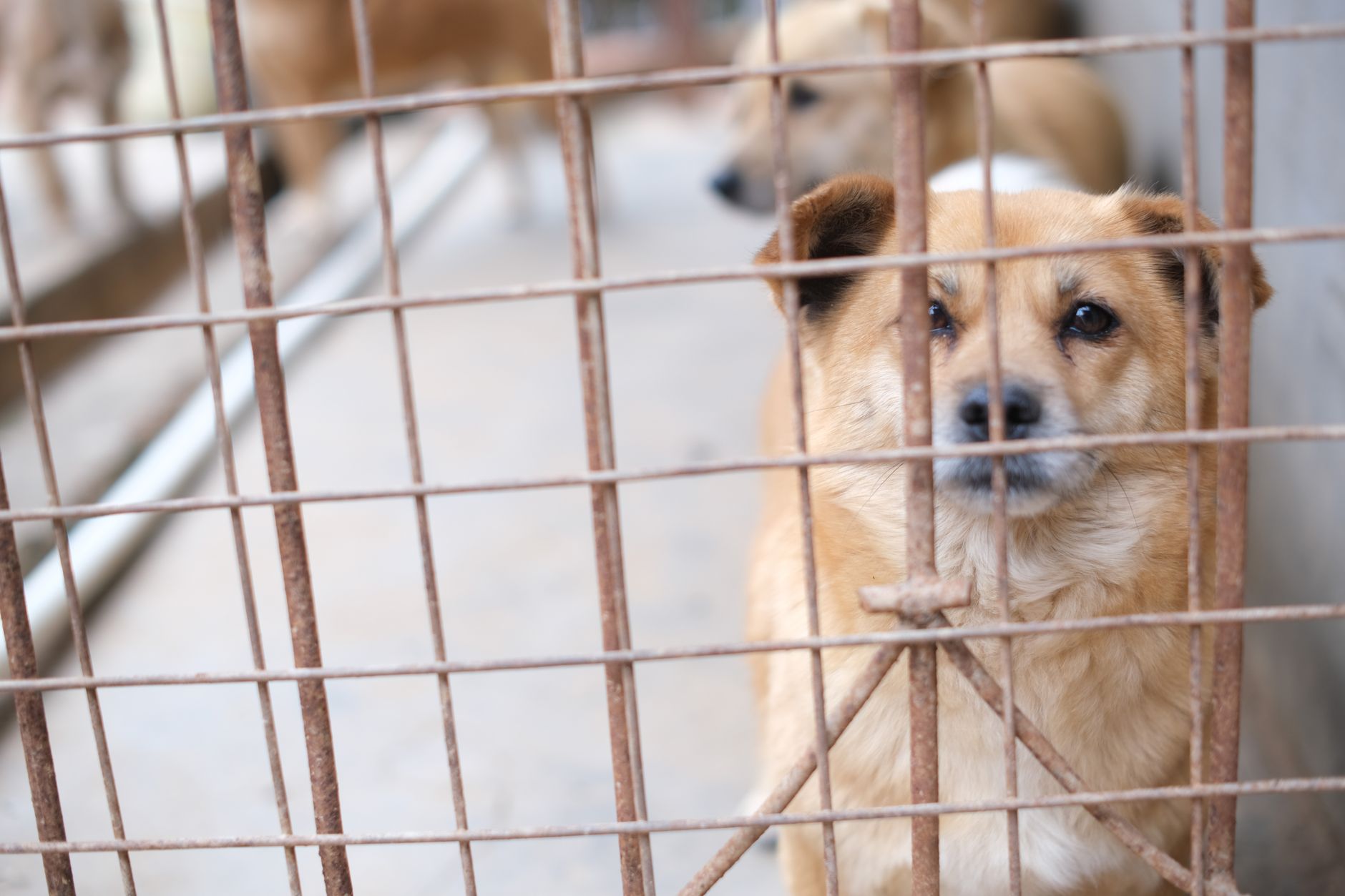
The first night Copper came home, he couldn’t stop pacing the kitchen. I thought he was just being difficult, but in reality, he was just overwhelmed.
Dogs like Copper come from a life where they may have experienced things we don’t understand, and that can cause some concerning behaviors. Many behaviors new adopters see, are just a result of their new dog having a huge life change, and that’s all normal. Having some understanding about the new dog and what they are going through can help calm the new adopters and allow the dog the time and space to settle in.
Following You Room to Room
Your new animal rescue may follow you to the bathroom and be by your side the entire day. This behavior is super common for the first several weeks and even months.
They are getting to know you and bonding. Often, they are also unsure how to feel about their new surroundings, so they find safety in you. Typically, this behavior fades with confidence that you aren't leaving.
If this seems more anxious than affectionate, do some brief separations and reward calm independence. Early gentle attachment is perfectly fine.
Sleeping More Than You Expected
New adopters are often concerned when they see their rescue dog sleeping for long periods of time. However, dogs typically sleep 12 14 hours a day. Additionally, when dogs are stressed, when they are decompressing, or experiencing a transition, they will often sleep even more.
Getting used to a new home can be very tiring for dogs. Shelters are often very noisy and full of stimulation, which might mean your dog is trying to make up for lost sleep. It’s best to let dogs rest as much as they want.
Being Picky About Food
Some rescue dogs eat everything in sight. Others may refuse to eat and will not touch what you offer. This can be alarming if you are trying to manage their weight, or their health is a concern.
Stress can suppress a dog’s appetite. Some dogs may take a week or two to adjust. Others are adjusting to new food. Some dogs may not eat because they are not food motivated to begin with. If your vet says they are healthy, it’s best not to worry about skipped meals.
Dogs will ignore food if it is offered consistently, and it is removed after 15 minutes. They will eat when they are hungry and eating is a stress response. Most dogs will adjust when they feel secure.
Startling at Ordinary Sounds
Does your dog jump or freeze at certain sounds? Like the dishwasher, or a car door slamming? Or a person coughing? This doesn't mean they were definitely abused. They are learning what sounds are normal in your house.
Be patient with them. Every Tuesday the garbage truck comes, but your dog doesn't know that it isn't a threat. They don't know what is a normal sound in the environment.
Testing Boundaries and House Rules
Even the best trained dogs will test boundaries when entering a new home. They may jump on the furniture, nibble on your hands, or ignore commands and cues that they clearly know.
The are trying to learn and collect information about the new environment. They are trying to determine what to do to get attention, what behaviors will get corrected, and what areas are safe and feel secure. They are not being defiant, they are trying to learn.
Dog owners have found that it helps to stay both consistent and patient. It will take dogs more than a few days to learn the rules of a new house. Usually, owners find that the dog has figured out the house rules in the three week or three month range.