
How to Introduce Two Dogs the Right Way
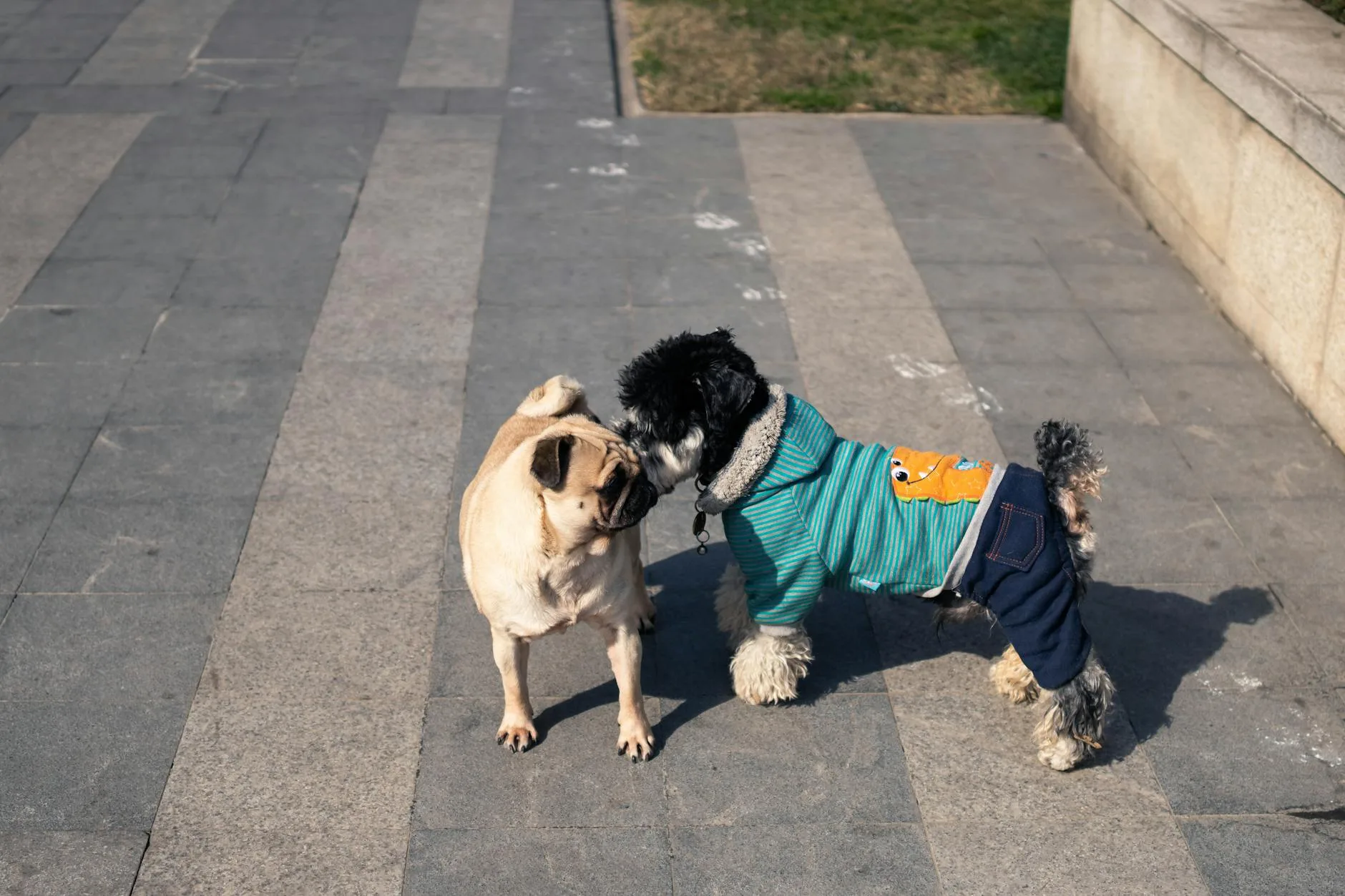
It's exciting to adopt a new dog! However, the first meeting between your existing dog and the new pooch can be nerve wracking. With patience and planning, the good news is that most dogs can learn to coexist, and eventually, become friends.
The most important thing to remember is to take it slow and let both dogs feel safe. One of the most common mistakes is rushing dog introductions. It can create fear and stress or even cause a serious scuffle that can set a bad tone for weeks or even months. This guide reviews the steps recommended by trainers and behaviorists to help ensure a calm and positive first meeting between your dogs.
Pick a Neutral Location First
The first meeting should happen somewhere neutral. Not your home or yard. Dogs can become defensive in their own territory, so your resident dog may feel the need to protect the area from the dog. A dog friendly park, a quiet street, or even a friend's yard if you can borrow it is a good meeting area.
You should keep the dogs leashed, and start with the dogs as far away as possible. Have the dogs look at each other while staying calm. If the dogs become tense or fixated at each other, you are too close. Move away and try again.
Once the dogs are calm, you can start to bring them closer. Look for relaxed or loose body language. This includes wagging tails and calm curiosity, not staring or raised hackles. This can take a while. Don't rush it.
Let Them Sniff in Parallel
Instead of allowing the dogs to charge one another head on, try walking them side by side. This will allow them to get acquainted without the intimidation of direct eye contact.
Most trainers suggest two people guiding the dogs in the same direction, a few feet apart. After one to two minutes, try to let the leashes come closer together. If all goes to plan, give them the opportunity to sniff each other, but keep it brief. If you sense a need for a break, maintain your pace and try again in a minute.
Watch the Body Language Closely
Dogs communicate a lot with their body language, and with practice, you can spot issues before they get out of control. A relaxed dog will often have soft eyes, a loose body, and playful demeanor. Their body will bounce and wiggle, and they may even do a play bow.
In contrast, warning signs may include stiff body language, intense staring, tail up and not wagging, low growls, or lip curls. If you spot these behaviors, calmly create more space between the dogs. It doesn’t ruin the introduction, they may just need more time and distance.
Occasionally, a dog may try to mount the other dog or may get overly pushy. Normally, this may be okay, but if the other dog seems uncomfortable or begins to leave, gently step in to adjust. Keep the situation calm and positive.
Move to Home Turf Gradually
Once the dogs seem relaxed together, you can start the move home. To begin, start outside in case you have a yard. Do not just walk both of them through the home at the same time. As they prepare to walk in together, they can sniff around the yard for a little.
Before stepping in, move the bowls, toys, and anything else that can be considered a high value item. Even dogs that typically share can have issues with food and toys. While the dogs are learning to live with each other, you will want to give them separate attention and separate food.
There is not a clear timeline for dogs to become friends. For some dogs, they will become friends as soon as they meet, and some will take weeks or even months. You will need to let them take their time. Do not force the dogs to interact with each other.
Supervise and Give Breaks
For the first week or two watch the dogs when they're together. Even dogs that like each other can have issues or misunderstandings. This is especially true if one or more dogs are tired or overstimulated.
Be sure to give each dog their own space where they can decompress and relax without being disturbed. This can be accomplished with crates or quiet spots in other rooms away from the dogs. Downtime is as important for dogs as it is for humans. Having a protected space will also help to release boredom and tension that are often found within dogs.
When leaving the house, it is often best to separate the dogs until you are confident they are comfortable with each other. Many owners find that certain behaviors occur while they are observing but are absent when they are not able to provide supervision.
When to Ask for Help
With a little bit of patience and care, most introductions tend to go fairly well. However, if one of the dogs appears to be frightened, shut down, or acting aggressively, it might be time to contact a professional. A qualified veterinary behaviorist or dog trainer will be able to give a case specific assessment and walk you through a customized plan.
Examples that indicate the need for additional help include continued snapping or growling, one dog hiding or refusing to eat, or fighting. Don't hope that the situation improves by itself. It is very important that you act quickly to help both dogs feel secure.
It's nice to see dogs settle in together after having to do a bit of work to get them there. Take your time, trust your gut, and always be sure to remember every dog has their own personality. With enough time and the right tools, it will bring you and your family a peaceful and happy home.