
Crate Training a Puppy Without the Guilt
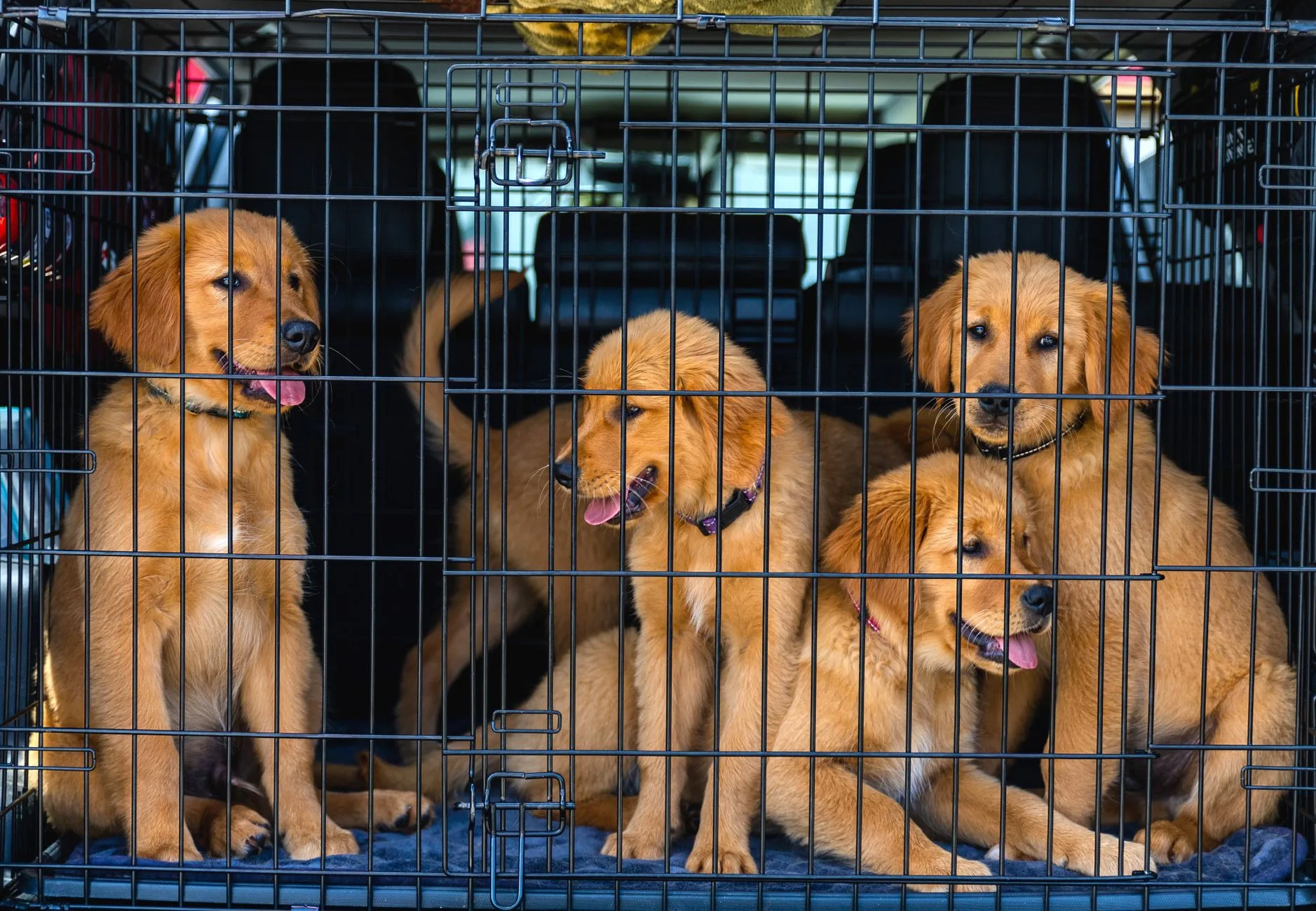
Have you felt guilty about crate training your dog? Many new dog owners feel this way, but the truth is that the crate can be one of the most reassuring tools you can give your dog, when done thoughtfully.
When used appropriately, a crate can comfort and ease your dog’s worrying about being left alone. Crates cater to your dog’s instincts of being in a cozy den. This guide will help build trust and ease worries when used appropriately.
Why Crates Aren't Cruel
Crates may seem like cages to us, but dogs see things differently. Dogs in the wild take shelter in small, enclosed spaces. With the right training, your puppy can see the crate as their nice new bedroom instead of a place for punishment.
Crates are recommended by trainers and vets for housetraining, safe travel, and for situations where your puppy might be destructive when you can't watch them. It is important for your puppy to have good experiences in the crate so they are not afraid of it or see it as a place of punishment.
You are giving your puppy the freedom to relax in their own space and not worry about what is going on around them. That's freedom, not a punishment.
Setting Up for Success
When selecting a crate, size is important. The puppy should be able to stand up, turn around, and lie down all the way. There should not be so much space that one end can be used as a bathroom. A lot of puppy owners use dividers to section the crate until their dog is fully grown.
Put the crate in a calm area of the house. Make sure to choose a room that the family spends time in. You do not want your puppy to feel exiled. Consider adding a plush blanket or bed along with a few safe chew toys. At first, leave the door open so the puppy sees the crate as another spot to explore, rather than a prison.
The Gentle Introduction Process
Start crate training by tossing treats near the crate, then into the crate, and finally just inside the entrance. Allow pups to explore freely, you can expect some to walk right in, while others may take a few days to step inside.
When your puppy briskly moves in and out of the crate, try to begin feeding them inside of the crate with the door open. This will create a positive association with the crate and help puppy understand that good things happen in the new space.
When your puppy looks calm and comfortable to be eating inside of the crate, you can start to practice closing the door while they eat and then opening the door right when they finish. Increase the closing time incrementally. Starting with only a few seconds builds confidence and helps prevent anxiety.
Building Up Alone Time Slowly
The most common problem when training a puppy is owners crate training their puppy for too long. In the beginning, only crate them for a couple of minutes to get them acquainted. They should be able to stay calm through it, and if they start to get upset, free them from the crate. You are teaching them they can stay calm because they know you come back.
As time goes on, lengthen the time and begin to step out of their sight while crating them. You can gradually leave the room for 30 seconds, build it up to a minute, then five minutes. If your puppy is barking or whining when you are about to open the door, wait until they are quiet for a brief moment. This is important, because you don’t want to give them a reward by letting them out for making noise.
What to Do When Things Go Wrong
Some whining is normal as your puppy gets used to the crate. If your puppy is barking, scratching, and showing distress, however, you may be moving too fast. Go back a few training steps.
Never use the crate as punishment. This is a learning experience for the both of you, and if you're feeling frustrated, take a breath. Keep crate time positive and predictable.
Owners say consistency is everything. When it is crate time, use the same calm phrase, such as “go to your room,” or “kennel up.” Many dogs learn to go to their crate on their own when they need a break.
Managing Your Own Feelings
Your pup will pick up on your emotions and if you seem guilty or anxious about crating them they will see it as something being wrong. You want to stay positive and treat putting them in the crate as just part of the routine like going outside or meal time. Think about it, using the crate actually prevents behaviors that could cause the puppy to be rehomed, such as destructive chewing or problems with housetraining. Be positive about it, you’ll be providing them a safe stable home.
Crate training your puppy means there will be some time involved, but it's worth it for the benefit of your pup, as long as it's done correctly. Trust the process, abide by your pups pace, and remember the precious gift of a foundation of safety and security will be with them for a lifetime. You can do it.