
When a Cat Stops Using the Litter Box
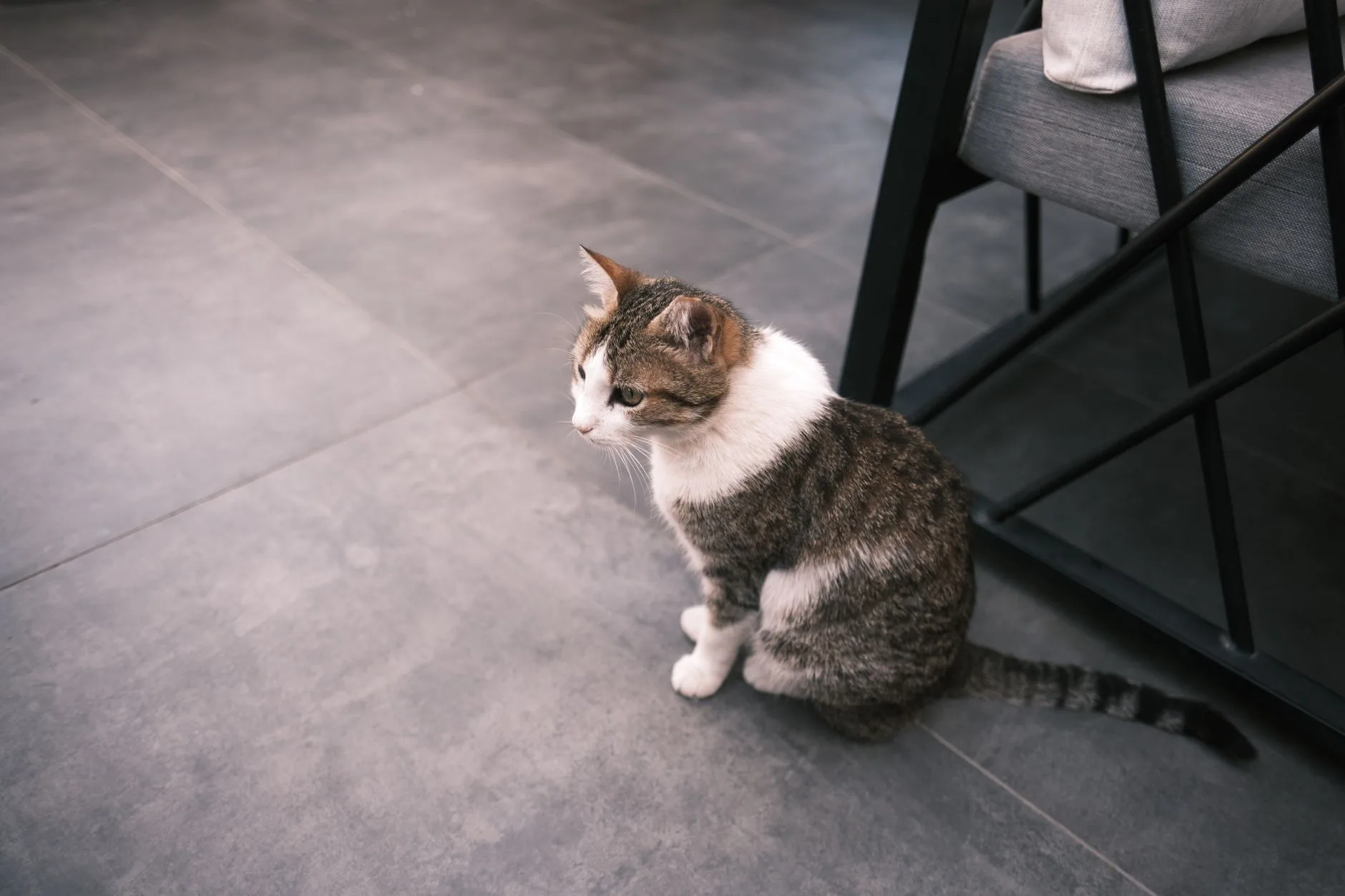
When your cat suddenly stops using the litter box, it can feel really personal. It’s maddening cleaning up the mess, and it’s normal to feel hurt and wonder what triggered the change. It may help to know that this behavior is more common than you may think, and the good news is it is usually solvable. Once you discover the root cause, a solution can usually be found.
The upside: this is cat behavior 101. They are telling you something. The underlying cause can be medical issues, environmental factors, or emotional concerns. Keep reading for the details.
Call Your Vet First
This is the least fun step, but it’s the most important one. There are many reasons why cats may have difficulty and/or pain using the litter box. They can have issues like urinary tract infections, bladder stones, or other medical issues that require attention. If it hurts to urinate in one spot, they will avoid that spot and find another to go in.
The good news is that most of these problems can be quickly diagnosed and fixed by your veterinarian. If you notice your cat is straining, crying, or going to the box more frequently, you should call the vet. Even if everything seems normal, it is worth it to get a check up before we move on to other problems.
Check the Box Itself
Some litter boxes aren’t up to a cat’s standards. If the box is small and doesn’t give them the space to move around, or if the litter is too dusty, scented, or not scooped often enough, your cat may just decide to not use the box.
The general rule of thumb is to have one box per cat plus one extra, and place them all in different areas of the house. If you haven’t switched to an unscented, clumping litter, do that now. Ensure that the box is big enough to give your cat some turning room. Juniper once avoided her box for two days and it’s because I switched to a different litter brand. The moment I switched it back, she forgave me right away.
Look for Stress and Changes
Cats are sensitive to change, and it can lead to litter box issues. Events like the arrival of new pets, babies, construction noise, moving to a new house, and even rearranging furniture are enough to stress them out.
If a major change in your home has occurred, that is most likely the cause. Give your cat time to adjust to the change, keep routines consistent to the best of your ability, and provide your cat with the ability to withdraw to quiet areas. In some cases, placing an additional litter box in an even quieter area can help.
Clean Accidents Thoroughly
When cats urinate or defecate outside the litterbox, the area will start smelling like the restroom to them. Standard cleaners will only mask the problem temporarily. An enzymatic cleaner for pet messes will remove the problem permanently.
Cats are creatures of habit, and once an area has been marked, they’re likely to continue doing it. Owners have reported that the problem often resolves itself after thoroughly cleaning the marked area and temporarily restricting access to it.
When It’s Behavioral
After vet check ups rule out health problems, and the litter box setups have no problems, the problems could very well be behavioral. This is especially true if you have multiple cats, as one may be bullying or dominating the others by guarding the litter boxes.
Offering separated resources, providing additional litter boxes in more secluded locations, and giving each cat their own private areas can help enormously. Sometimes figuring out what the real problem is can take more effort than just looking.