
Wet Food or Dry Food for Cats?
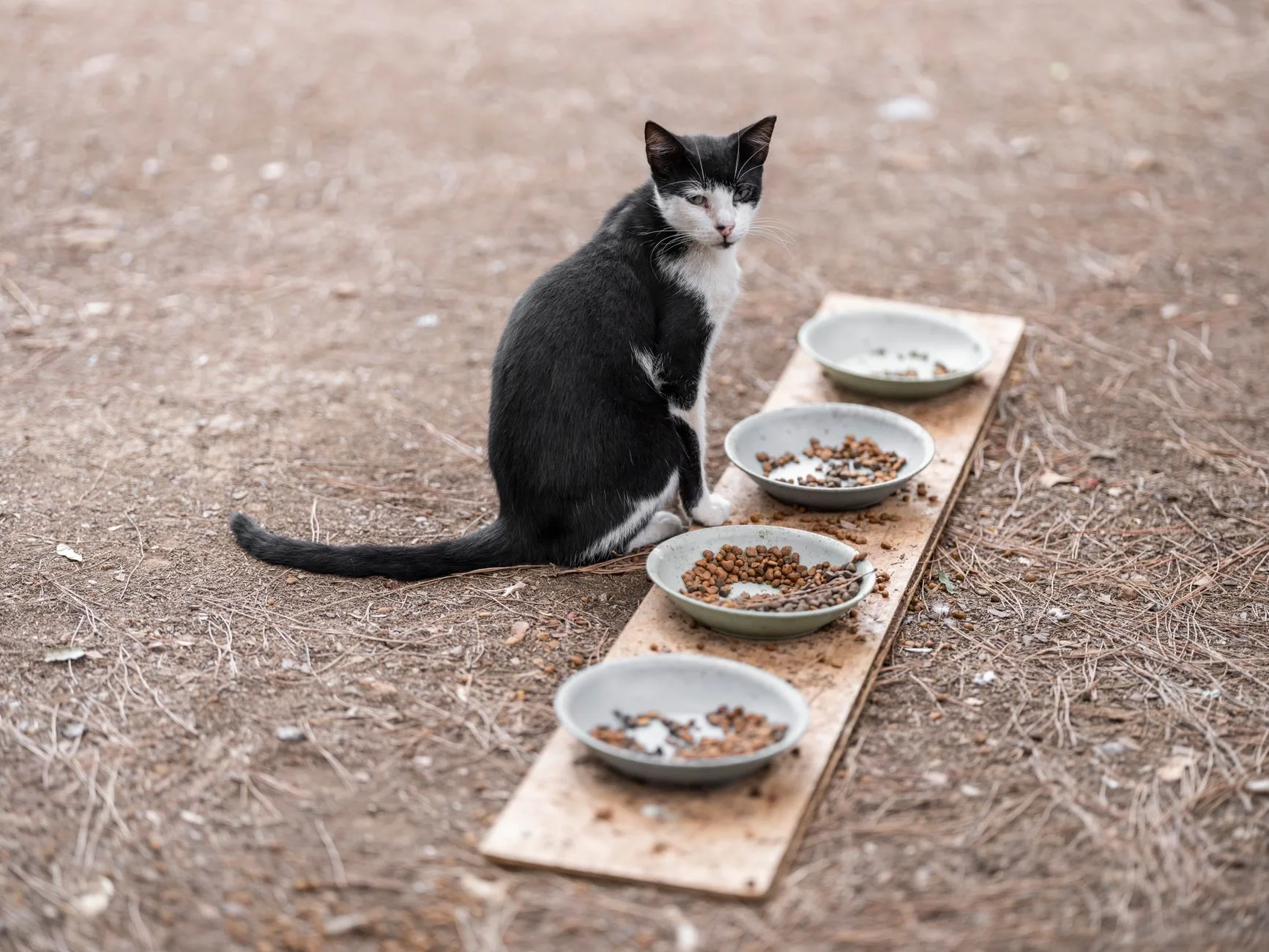
We all know that shopping for cat food can be challenging. When it's time to restock on food, most cat owners are faced with the dry food vs. wet food dilemma. Each cat owner has their own unique shopping experience, but we can assure you there is no definitive answer that applies to all cats.
Finding out what is most beneficial to your cat is what is really important. Factors such as your cat's health, age and its personal traits should be considered and understood. Let's explore the truth behind these differences.
What Wet Food Offers
Wet food has a lot of water in it, about 70 to 80 percent typically. Because it has so much water in it, it is a sneaky way to keep your cat hydrated, especially since most cats do not drink enough water on their own.
Usually it has fewer carbohydrates and more protein. This is great for cats since they are obligate carnivores and need more protein. Lots of cats find wet food more appealing to eat. This can help a lot if you have a picky eater or an older cat who does not eat as much as they used to.
What Dry Food Offers
Cats enjoy dry food because dry cat food gives the owner the ability to create a routine feeding schedule without the cat's food going bad. When feeding multiple cats, dry cat food is often more affordable, and dry cat food is easier to store and measure than wet cat food.
While dry cat food is often thought to help with the cat's dental health, some studies show dry cat food has no effect. Cats tend to chew cat food, and a lot of times cats swallow entire pieces of food.
Health Considerations Worth Knowing
Some health concerns in cats could lead to one type of food being better than the other. For example, wet food is often recommended for cats with urinary tract problems, kidney disease, or diabetes because it has lower levels of carbs and more moisture content.
Dry food is usually good for healthy cats, but some brands can be low quality. Cats do not digest carbohydrates as well as they do with protein and fats so it is not ideal for dry cat food to have lots of those. Your vet can provide the best advice for your individual cat.
The Mixed Feeding Approach
Many cat owners practice different feeding styles. For example, I do this with my cat, Juniper. You might give wet food once or twice a day, and leave a bit of dry food out for grazing.
This way you get some of the hydration and protein benefits of wet food while not being as time consuming. It can also keep mealtime interesting for cats who get bored easily.
One thing to watch for is total calories. When you mix food types it’s easy to overfeed, and weight gain can sneak up on indoor cats.
What Your Cat Actually Prefers
Here’s a cat fact you may not know: cats have opinions. Believe it or not, some cats enjoy eating dry food while others only like wet food. Most of the time, cat owners are surprised to see their kitty devour the food and show a distaste for the food that gets the highest rating online.
Your kitty is the best judge of what food is best for them. Just because a food is high in every nutritional component and is very expensive, does not mean that your cat will eat it. Choose the food that will be eaten but do not be surprised if it is not the highest rated.