
How Much Walking Does Your Dog Really Need?
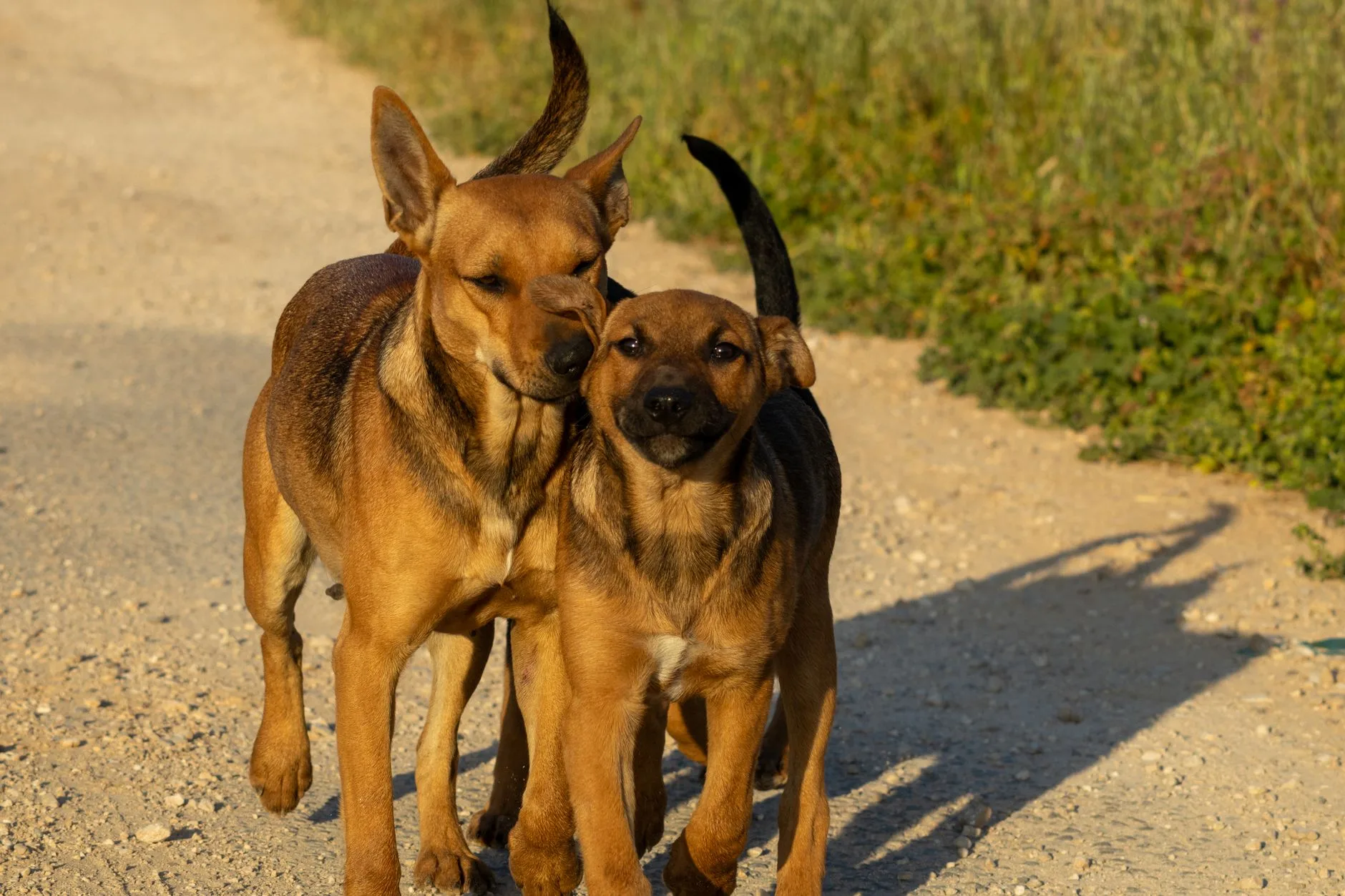
Last Tuesday, I saw a young beagle owner being dragged down the sidewalk at 6:30 a.m. Then, just hours later, the same young beagle was taking a nap in the sunny side of a window. That contrasts perfectly sums up the questions many people ask themselves. How much energy do we really need to expend?
The answer may actually be dependent on many different factors. If you get it right, it can significantly impact your dog's behavior, health, and happiness.
Breed and Age Matter Most
An Australian Shepherd puppy and an Olde English Bulldog have fundamental differences in their needs. This is obvious but gets missed surprisingly often. Working breeds (Australian Shepherds, Retrievers, and Huskies) need to be moving all day, and not just a quick walk around the block. They usually need an hour and a half of 'real' exercise most days.
On the other hand, toy breeds and brachycephalic dogs (Pugs and French Bulldogs) can get tired more easily. They tend to be perfectly content with half an hour of exercise total. Senior dogs require consistent movement but not a lot of intensity. In contrast to this, puppies should go out more often but for shorter durations.
What Counts as a Walk
There are many different types of walks. A slow walk is an opportunity for your dog to do a sniff fest and investigate every tree. It is less exercise for them, but provide more mental stimulation. On the contrary, a quick walk does the opposite.
Most dogs enjoy a mix. Veterinary behaviorist often say that the act of sniffing is actually brain work, therefore, the walk is tiring. That means a 15 minute stroll where your dog just stands there is actually meeting some of the mental needs that you may not know exist.
Signs Your Dog Needs More
Paced barking, chewing, bringing toys every five minutes, and counter surfing are signs of pent up energy. Digging and intense rough play are other signs of pent up energy.
During a week of rain stuck inside, Copper chewed a couch cushion. It was obvious he was trying to communicate a message. Dogs need a lot of movement. When they don't have enough, they create their own ways to expel energy, and we don't enjoy their choices.
Signs Your Dog Needs Less
When your dog begins to limp, lie down, pant excessively, or just starts lagging behind, they are trying to tell you that they are tired and they need to stop. Some owners, especially people with very active dog breeds, often don't realize these signals and keep pushing.
Senior dogs and puppies in particular are even more susceptible to overexercising than other dogs. Their growth plates and joints need special care to avoid injury. If you notice your dog appears to be sore after walking or if they are hesitant to go out, you should talk to your veterinarian to get their opinion.
Beyond the Daily Walk
We can do many different types of activities that help exercise our dogs. Even without the leash, we can play fetch, go swimming, or do indoor activities like hide and seek. Activities that exercise the mind like puzzle toys or training sessions can tire dogs out just as much as physical activities.
Some dogs may thrive in sports that are specifically designed for dogs. Agility and nosework are 2 popular examples. Simply learning new tricks can also be very mentally stimulating. At the end of the day, we want the dogs to be tired and happy. To achieve this, we have many more options than we usually think of.
Adjusting for Weather and Health
Pavement can get very hot, causing burns on a dog’s paws, and dogs can suffer from heat exhaustion, which makes it even more serious. Ice can also cut your dog’s paws and can cause winter injuries that can be dangerous for dogs that have less fur on them, or if they are a small breed.
Older dogs and dogs with heart, arthritis, or respiratory problems need to have serious changes made to their walking schedule. Your vet will help you find the right balance so that the dog can walk. Its normal for things that worked last year, to not work this year. This is also true for dogs that are getting older or if the dog’s health changes.
There's no single right answer. This can be frustrating, but also freeing. Each dog is an individual, so pay close attention and adapt your approach. Remember, an exercised dog is typically a well behaved dog. Many troublesome behaviors stem from unfulfilled physical or mental needs. A simple good walk can do a lot, and we often don't realise it.