
How to Stop a Cat From Scratching Furniture
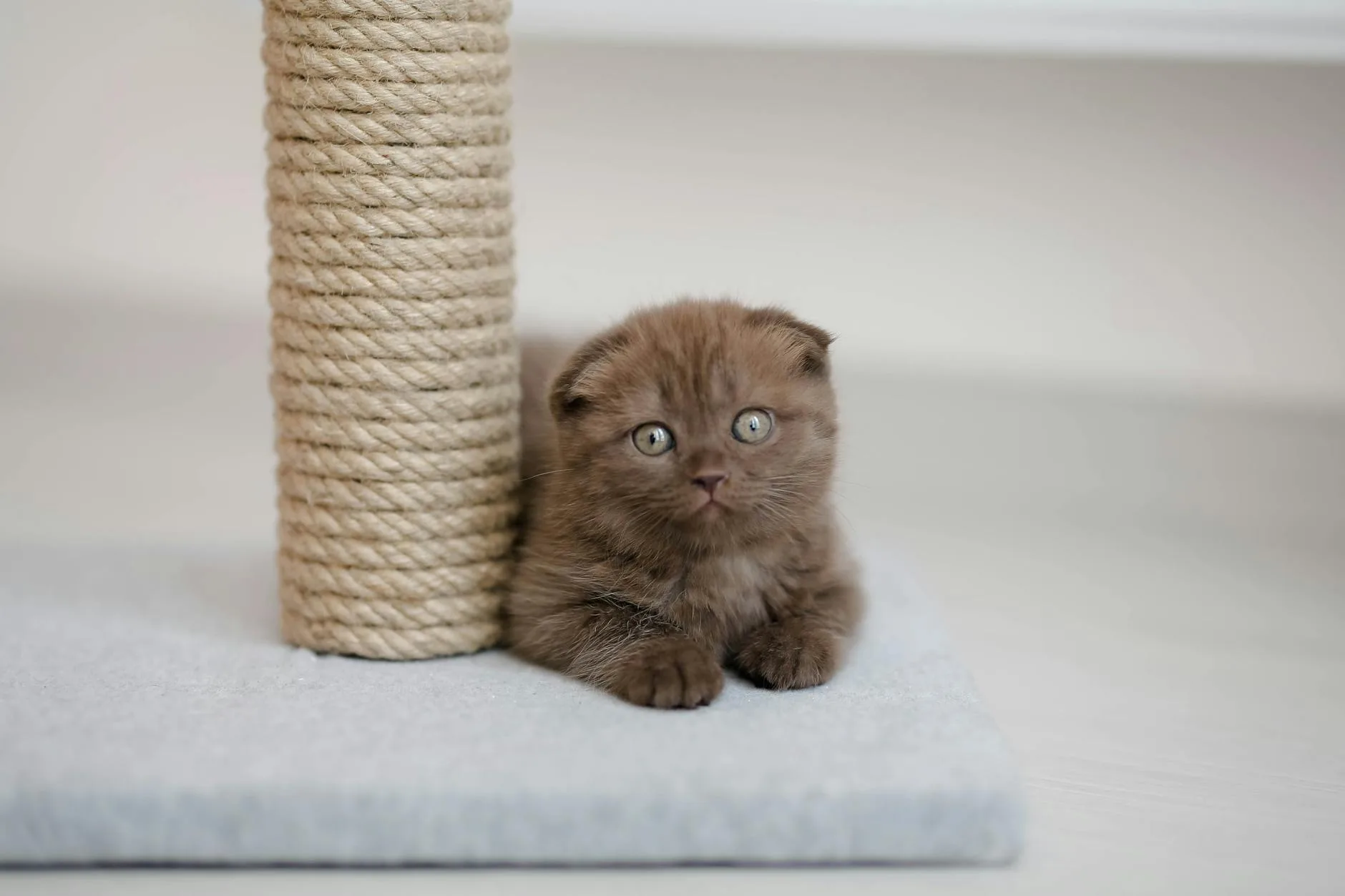
Cats love to scratch. You've probably heard the noise of it in the background as you walk by the couch, but by the time you reach the couch, your cat has jumped away looking smug as if it has accomplished something.
Scratching is a natural characteristic of a cat, but it doesnt have to be destructive, and with a little time, and the right technique, you will be able to shift this natural habit to more suitable activities.
Why Cats Scratch in the First Place
Cats scratch to remove dead pieces of claw, mark their territory both visually and with the scent glands in their paws, and to stretch muscles. It’s instinctive.
Knowing something more helps. Cats scratch. They do not ruin. They need to scratch and do cat things.
Provide Better Scratching Options
Before anything else, make sure your cat has something she wants to scratch. Look for scratches that have enough height for her to do a full stretch and are sturdy enough to not wobble. Different textures will be preferable for different cats, so pay attention to whether she prefers sisal rope, cardboard or carpet.
Try and put these new scratchers by the old furniture that she has already started targeting. If you notice your cat scratches after a nap or when she sees you, put your scratchers by her favorite nap areas and by the door so she has easy access when she gets that scratchy feeling.
Create a positive avsociation with this scratcher by sprinkling some cat nip or dangling a toy cat above it to get her to use the scratcher.
Make Furniture Less Appealing
While presenting new and better options, you can make the old furniture less appealing for a while. Covering scratched areas with double sided tape, aluminum foil, or putting plastic guards on the corners can keep most cats away since most find those surfaces displeasing to paw on.
Most owners have seen success with these deterrents for the short duration it takes to establish new habits. When you cat is consistently using her post, it is usually ok to remove the deterrents.
Reward the Right Behavior
If you see your cat using her scratching post, give her a high five or a small treat. Encouraging your cat to use positive reinforcement is great as opposed to punishing her. Punishments can create stress and scratching can increase because of it.
With Juniper, it took roughly two weeks before she stopped using the chair legs to scratch and started using her cardboard scratcher. Calm encouragement worked best in her case. It's true that cats adjust, but they like doing it in their own time.
Keep Claws Trimmed
If your cat scratches things she shouldn't be, regular trims on her nails will help minimize the damage done. For indoor cats, trims every two to three weeks are sufficient.
If you're not comfortable doing this, a groomer or veterinarian can assist you. Some cats acclimate to this easily, while others will require some patience.
When to Check With Your Vet
An increase in your cat's scratching can indicate stress, anxiety, or indicate a physical issue that needs medical attention. If possible, snapping a picture of the specific area that your cat seems to be fixated on could be helpful information for your veterinarian.
To teach your cat to scratch somewhere else, you will need a little consistency. When provided other options, most cats can learn to stop scratching furniture. Try to think of it as a way to make it easier on everyone by working with their natural instincts, rather than working against them