
Reading Your Dog Body Language
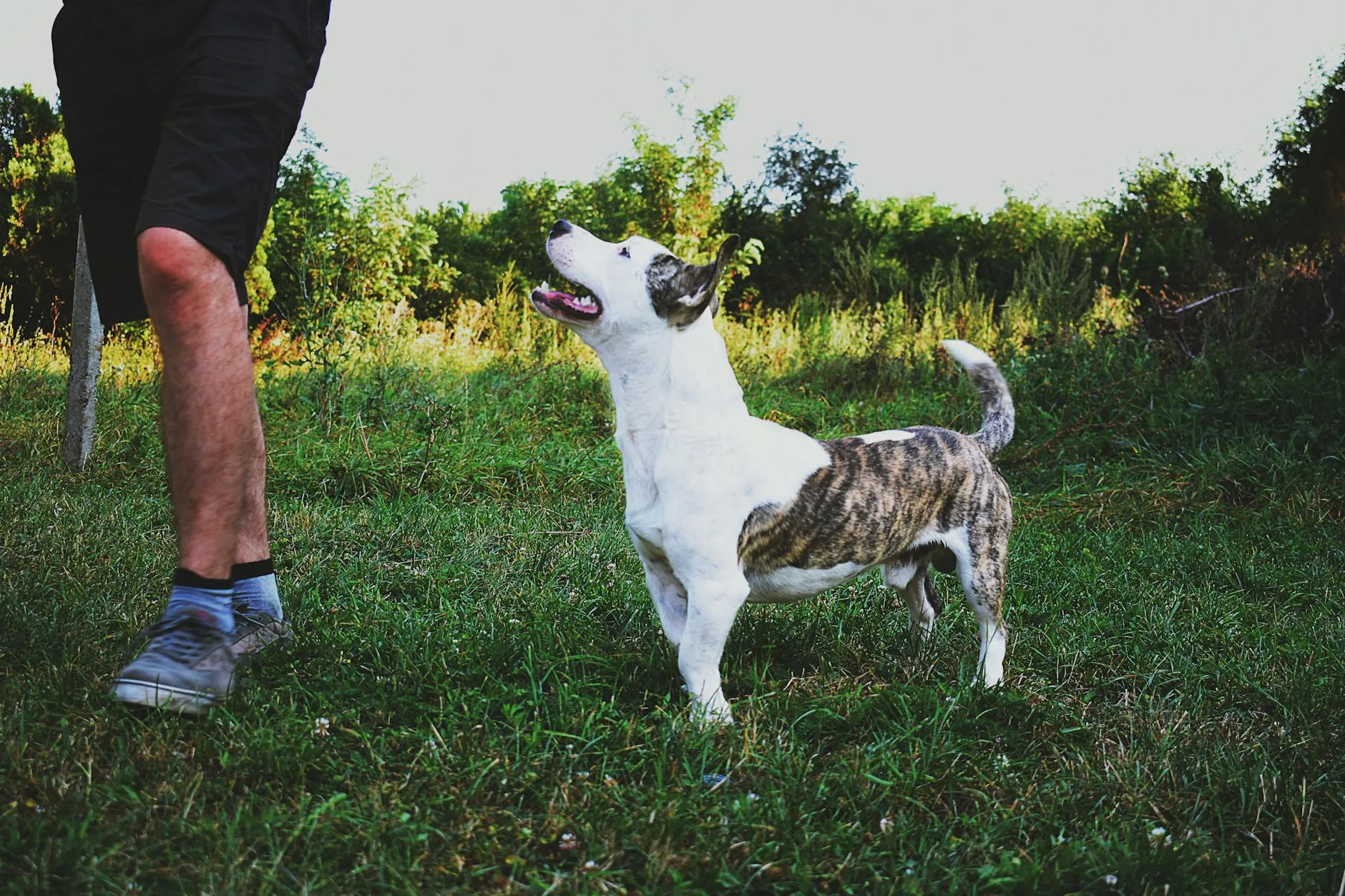
Your dog communicates with you all day, just not in the way you're used to.
Dogs express their feelings through their body, including their tails, ears, and the ways they sit or stand. If you learn how to read those signals, you can better understand motivations, needs, and feelings to give them the space they might need.
The Tail Tells a Story
It's not always true that a tail that is wagging belongs to a happy dog. The type of movement and its height and rate of wagging is important. A slow and low wag may indicate uncertainty. But, a dog is friendly and relaxed when they are loose and fast wagging all the way up at a natural height.
The type of tail movement is very important. A tail that is high and stiff with a wag warns of aggression, tension, or alertness. Fear and anxiety are also shown with a tail that is tucked. So watch the whole movement not just the tail.
Eyes and Facial Expression
When a dog's mouth is slightly open and their eyes are relaxed and soft, this is a sign that they are comfortable. Stress in dogs, however, is shown by wide eyes, and an increased amount of visible white around the eyes. This is sometimes referred to as whale eye.
A hard stare is a warning sign. Direct eye contact is typically a challenge or a threat. If a dog looks away or is squinting, they are often signaling that they do not wish to escalate the interaction and that they are not a threat.
Ear Position and Movement
When a dog's ears are in a natural position, it means they are comfortable. Ears that are upright and forward indicate interest. Ears pulled back flat against the head signal that the dog is fearful, nervous, or trying to be submissive.
Ear positions can mean a variety of things and the type of animal matters as different breeds are wired differenly. For example, the ears of a German Shepherd differ from that of a happy Lab and are likeley to be more relaxed than a Lab's ears.
Body Posture and Weight
Pay attention to where your dog carries his weight. A dog engaged and leaning onto their front legs is assertive. If a dog is shifting weight to the back or is crouching, that dog is more anxious or uncertain.
A loose and wiggly dog is relaxed. If there's any body stiffness, from the neck and legs, that can indicate discomfort or a heightened state of arousal. Right before barking, Copper freezes and that is my signal to redirect him.
Mouth and Lips
A dog being relaxed can be seen from their play face, which is a soft, slightly open mouth. Dog panting can mean different things. It can be an indicator of heat or excitement, and it can even be a sign of stress, which is the case when they are in a cool environment and have not exercised recently.
Yawn, lip lick, and show teeth signals all depend on the context. A yawn can mean a dog is tired, but in some circumstances, it can mean a dog is calm and in some situations, it can mean the opposite and be a signal of tension. If a dog pulls their lip back to show teeth, that is a clear warning.
Putting the Signals Together
A single signal given by your dog will not tell you what the dog is thinking. A dog's body can tell two very different stories. A dog with stiff body and hard eyes will look much different than a dog that is wiggly and has soft eyes. Look at your dog as a full body.
The context and environment should matter when figuring out a dog's body language. If a dog is at a dog park, it will mean something different than at a vet. Use your judgement and focus on what you see. It will take time, but you will become better at noticing the small changes that happen to a dog's body right before the dog changes its mood.
The more you watch and listen, the more fluent you will be in your dog's language. This will keep everyone safe and happy, plus it will strengthen your bond.