
Introducing Two Cats Without the Drama
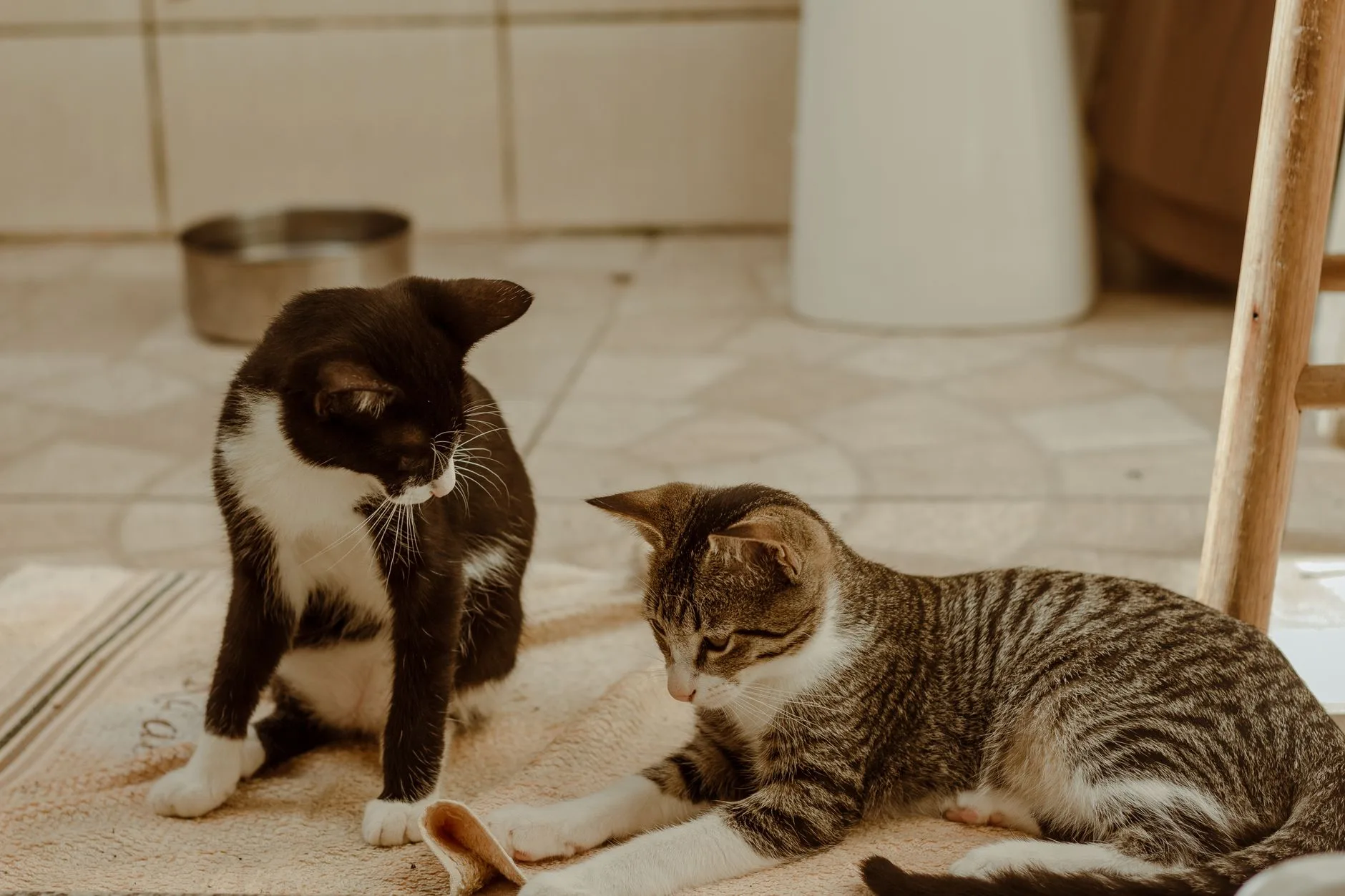
One of the first things you will notice when you open the carrier door is that your resident cat will puff up like a bottle brush. The new cat will hiss and you may think that you have made a real mistake.
You haven't. Most cats can learn to tolerate one another and many learn to become good friends. You will need to learn how to introduce cats to one another. This is the most important task you will need to learn to do as a cat owner. If you do this too quickly you can create a negative interaction that can last for many years. If you do this carefully, you will give the best chance to both cats for a calm and happy life together.
Why the First Meeting Matters
Cats are sensitive, and focus largely on the use of scent and their routines. This means when you introduce a new cat, you're not creating a new roommate situation. You're completely changing the existing cat's environment.
A bad first impression can lead to years of difficult behavior. Because cats have strong associations with their memories, if a new cat causes fear and/or aggression from the start, then that memory will stick for a long time. Both cats need to feel they have control during introductions and slow introductions will lead to less frightening situations.
Set Up a Separate Space First
Prepare a space for the new cat before it even arrives. You may need this area for more than a week. It should contain food and water while the litter box, toys, and some hiding places can be added later.
This practice also helps your resident cat adjust little by little and not too quickly. Your resident cat will catch the new cat's scent underneath the door which is beneficial. Cats begin building relationships, and this is the first step and is done with little and safe contact.
The Scent Swap Step
After a couple of days, begin the process of introducing the cats by exchanging their scents. Take a soft cloth, rub it on one cat’s cheek, and let the other cat smell it. You can also switch their beds and toys. You can even change which cat is in which room every few hours. This way, they can smell each other’s presence without meeting face to face.
This process can take a while and may seem tedious, but it is vital. Before the cats meet, it is important that they become comfortable with one another’s scents. Cats collect all sorts of information through their sense of smell, and the more familiar they are with each other’s scents the more it will reduce fear and aggression when they finally meet.
Feeding on Opposite Sides of the Door
Once both cats appear to be calm from scent swapping, begin their feeding routine by each door to the new cat's room. Position both bowls so they can get used to each other, but not too close that either of them feel threatened.
This helps the cats create a positive association with the new cat. The new cat will begin to be seen as a good thing, as they will be associated with mealtimes. If any cat shows signs of stress or refuses to eat, increase the distance between bowls and slow the process down.
The First Visual Contact
If both cats are eating calmly and are situated near the door, you can start with visual introductions. Open the door a couple of inches so they can see each other. Alternatively, you can use a baby gate. Let the cats see each other while something good is going on, such as playing, eating, etc.
At first, you should keep these sessions as short as possible, about a minute or two. Be sure to observe body language closely. Curiosity is good, but if the cats freeze, hiss, or growl, these are signs that you should go back and slow down the process.
Supervised Time in the Same Room
Once they can look at each other without responding, try giving them the same space. For the first few sessions, keep them short and stay in the same room. Have treats or toys available to redirect attention if necessary.
Do not push interactions. Let them approach each other at their own pace. Some cats will go in for a nose touch immediately, other cats will take days to even look at each other.
If they get into serious fights, calmly separate them and return to the previous step. This is not a failure, just a sign that they need more time.
When to Expect Real Peace
The timeline can be inconsistent based on the different personalities, ages, and backgrounds of the cats. Some cats start cuddling within a week, while others can take months to simply tolerate the presence of another, and that is totally fine.
What you should be looking for is a calm coexistence. They do not need to be best friends. If they can eat in the same area, use the litter box without one cat standing guard, and sleep without one cat stalking the other, you’re doing well. For example, Juniper and Copper used to have staring contests for two months, and now they can nap on the same couch. They might not be touching, but who cares? That is still a success in my books.