
Why Cats Get Hairballs and What Helps
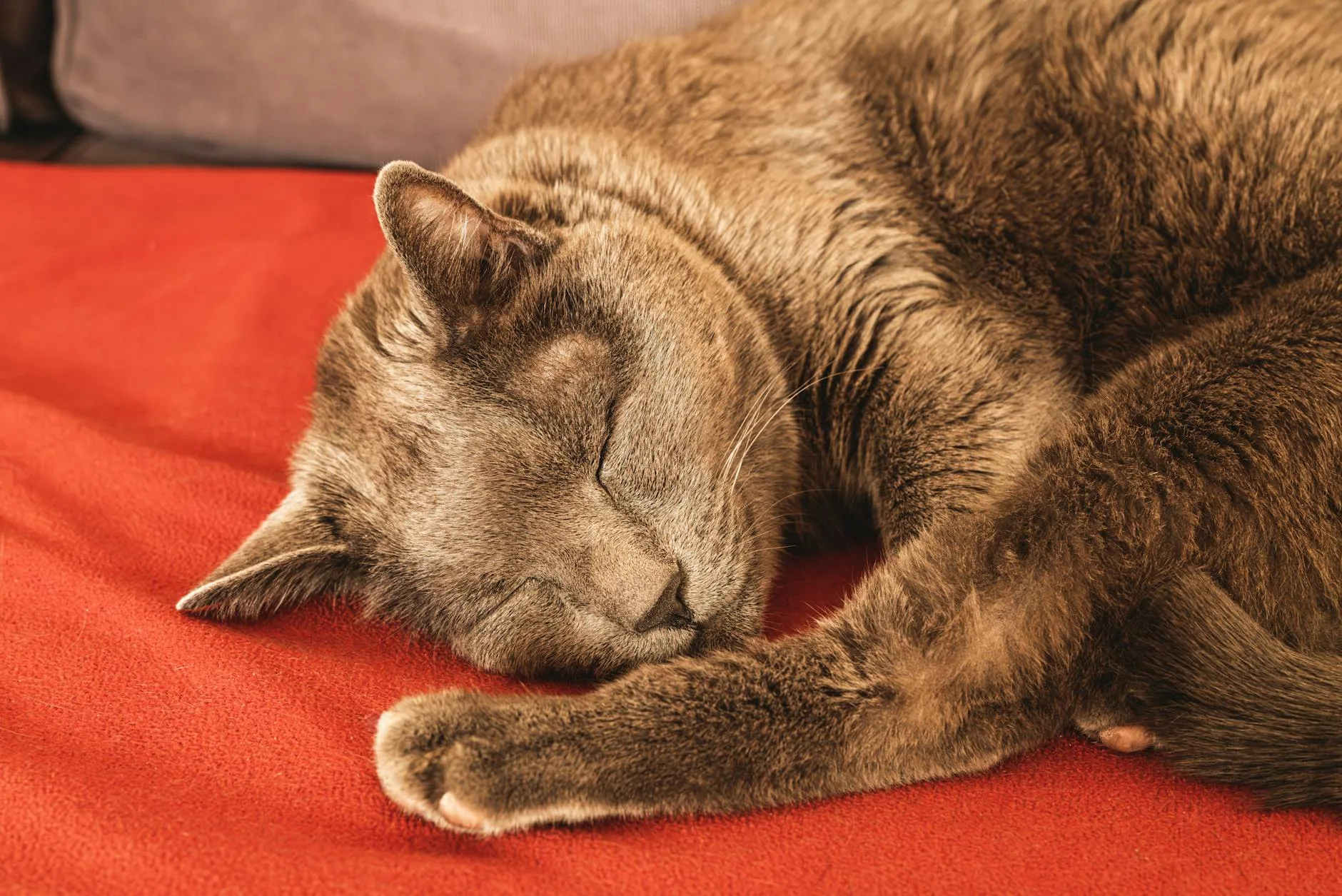
Everyone knows that cats and hairballs go together like peanut butter and jelly– that is until you accidentally step on one in the middle of the night! Trails of globs left behind by the family cat aren't just a nuisance. They actually show the process by which cats groom themselves, so while they're disgusting, they are also completely natural.
You might be wondering how to deal with this problem. Fortunately, we've put together everything you need to know about hairballs to make the process easier for you and your beloved feline.
Why Cats Get Hairballs
Did you know that cats groom themselves with their tongues? Their tongues are defined by papillae–tiny hooks that are perfect for detangling their fur but also trap loose hairs and pull them into the cat's mouth for eating.
While most of the hair is able to pass through the cat's digestive system with little to no problems, if too much hair clumps together in the cat's stomach it is easier to vomit up than digest. This is what creates hairballs.
When Hairballs Become a Concern
Most cats will have the occasional hairball every week or two, and that is often considered normal. However, if your cat is producing hairballs more often than that or appears to be gagging but is not producing anything, you should call your vet.
In some cases, frequent hairballs can indicate skin allergies, stress, or digestive issues. If a cat vomits and a hairball becomes stuck, it can result in a blockage and that is a serious medical emergency.
Brushing Really Does Help
The best thing you can do to help your cat is to groom them on a regular basis. Fur that is swallowed during grooming will be less likely to end up in the cat's stomach.
Depending on the coat length, brushing can have varying frequencies. Daily brushing is generally needed for long haired cats. On the other hand, short haired cats can get away with brushing just a few times a week. Juniper tolerates about three minutes of brushing before she walks away, but even that makes a difference.
Diet and Hydration Matter
Cat food helps move hairballs along by including fiber to help pass them through the digestive tract. While some owners say they don't help, these foods can be worth trying if your cat tends to get hairballs very often.
A cat's water intake can also help keep hairballs moving along. Better sources of hydration can be provided by wet food, water fountains, or even adding some water to your dry cat food.
What About Hairball Remedies
Most likely, you have seen some type of hairball gel or hairball paste at the pet store. These products often use a petroleum based or mineral oil that, while allowing a hairball to be passed, may also cause other issues.
While a lot of cats tolerate these gels, some even seem to enjoy the taste of these products. However, if your cat is on any kind of restrictive diet or medications, it's best to check with your vet before starting any new type of supplement.
Are Hairballs Ever Actually Dangerous
Hairballs can be annoying, but they can also be a lot more serious if a hairball is large enough to block your cat’s intestines. It is then a medical emergency that requires immediate attention.
Symptoms to look for include repeated vomiting with no hairball, an increase in weakness, a lack of appetite, no bowel movements, a distended abdomen, or any increase in size of the belly. If any of these appear, contact your vet right away.