
What Your Dog Bad Breath Is Telling You
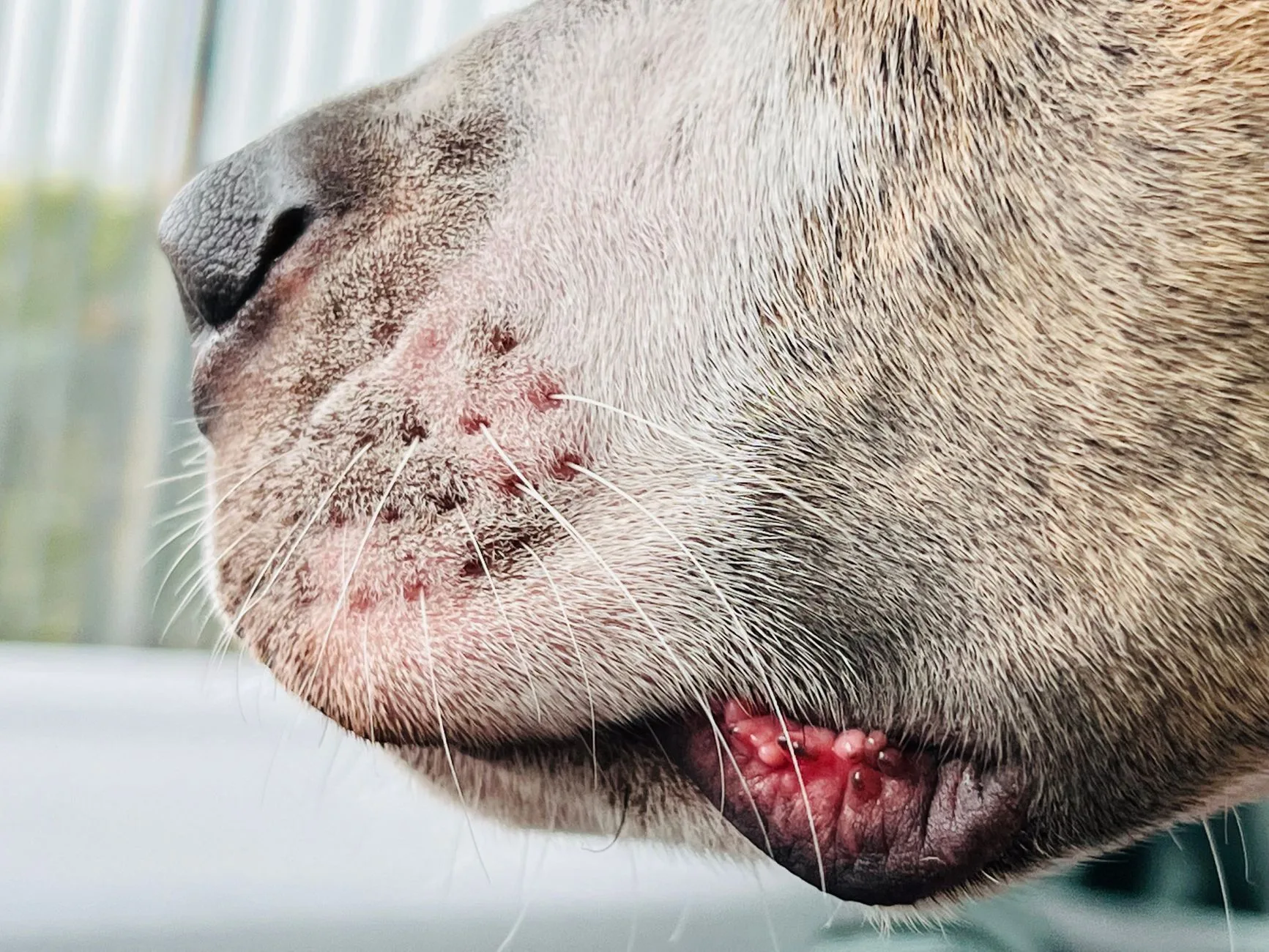
If you're finding it hard to cuddle with your dog because of their bad breath, you're not the only one. Although bad breath in dogs can be a funny topic to joke about, it can actually be an indicator of a more serious health problem.
There can be a number of reasons for your dog's bad breath, some of them are more serious than others. It could be that your dog is trying to tell you that they need to see a veterinarian.
The Most Common Culprit Is Dental
When I noticed that Copper's breath was particularly fetid, my first thought was to check his teeth. Like humans, dogs develop plaque and tartar on their teeth, and these build ups can attract bacteria.
That sort of build up can lead to gum disease, which is often responsible for the most intense and offensive odors. Many vets attest that dogs over three years old, on average, exhibit some type of dental disease, so it's quite common.
The positive side is that dental diseases can usually be taken care of with ongoing home maintenance and professional teeth cleaning. The negative side is that if these conditions are neglected, they can be extemely painful, and cause the dog to lose teeth or even develop infections that spread and compromise the function of other organs.
What Different Smells Might Mean
Bad breath can smell different and identifying the type of smell can sometimes help you. If your dog has a sweet or fruity smell it could be a sign of diabetes. Especially if your dog has been drinking more water than usual or having more accidents in the house.
A smell more like urine or ammonia could be a sign of kidney issues. A really bad and rotten smell could mean sever dental disease or something stuck in the mouth.
If the smell is unusual or is sudden, that is a good reason to call the vet. If you think something is off, it probably is.
How to Check Your Dog's Mouth at Home
You do not need to be an expert to conduct this check, and will cover the basics.
To start, find a moment when your dog is calm and relaxed. Start by extending a lip on one side and examine their gums and teeth. Healthy gums should be a pale pink, not deep red, and definitely not swollen. Their teeth should be creamy white, and free of discolored, brown and yellow dental tartar.
Then, check the other side and examine the front teeth. Come close and smell their breath if you can. Look for lumps, bleeding, broken teeth, or food stuck between teeth, or anything else out of the ordinary.
If your dog doesn’t like you touching their mouth, or you feel worried, call the vet. Remember, this is a quick check, and could save everyone a lot of effort by providing early intervention.
When Bad Breath Points to Something Else
The issue may not even be in the mouth. Lots of other conditions, from digestive and metabolic diseases to respiratory infections, cause bad breath in dogs.
If your dog is also lethargic, vomiting, or has diarrhea, these may indicate a serious bodily issue. Owners have noticed that their dog's breath become different right before a major health problem was found.
This is why persistent bad breath shouldn’t be neglected. It can help vets solve other major issues.
What Happens at a Vet Visit
If you mention your dog’s bad breath in passing, your vet will probably begin with an oral exam. They could suggest a professional dental cleaning, which is performed under anesthesia for access to the area beneath the gum line where a lot of the trouble can be hidden.
If the teeth appear to be the issue, your vet would probably do blood work or some other tests to determine what’s going on internally. Testing might seem excessive, but when you are trying to address an issue, it is better to find out what the actual problem is so your dog can feel better as soon as possible.
Keeping Your Dog's Breath Fresher Long Term
I’ll be honest, getting Copper comfortable with brushing his teeth was a process. I recommend starting tooth brushing as early as possible. It's the best way to prevent dental issues down the road.
Your vet will be able to give you the best recommendation on when to schedule your pup’s dental cleanings based on his breed and dental health history (yes, some pups need more frequent cleanings than other pups based on this).
Between toothbrushes, dental toys, dental chews, and even some water additives that reduce bacteria can be used in between brushings. I've found that some dogs take to these things really well, while others do not.
The best thing you can do is remain consistent with these efforts. It will ultimately protect your pup from having to go through more serious dental work in the future, and your face to face moments will be much more pleasant.
Although bad breath can seem like just a minor issue, it's something to pay attention to. Whether it's time for a dental cleaning or it's a sign of a bigger problem, your dog's breath is one more way of communicating with you. And let's be honest, they deserve to feel as good as we all feel.