
Teaching a Reliable Recall
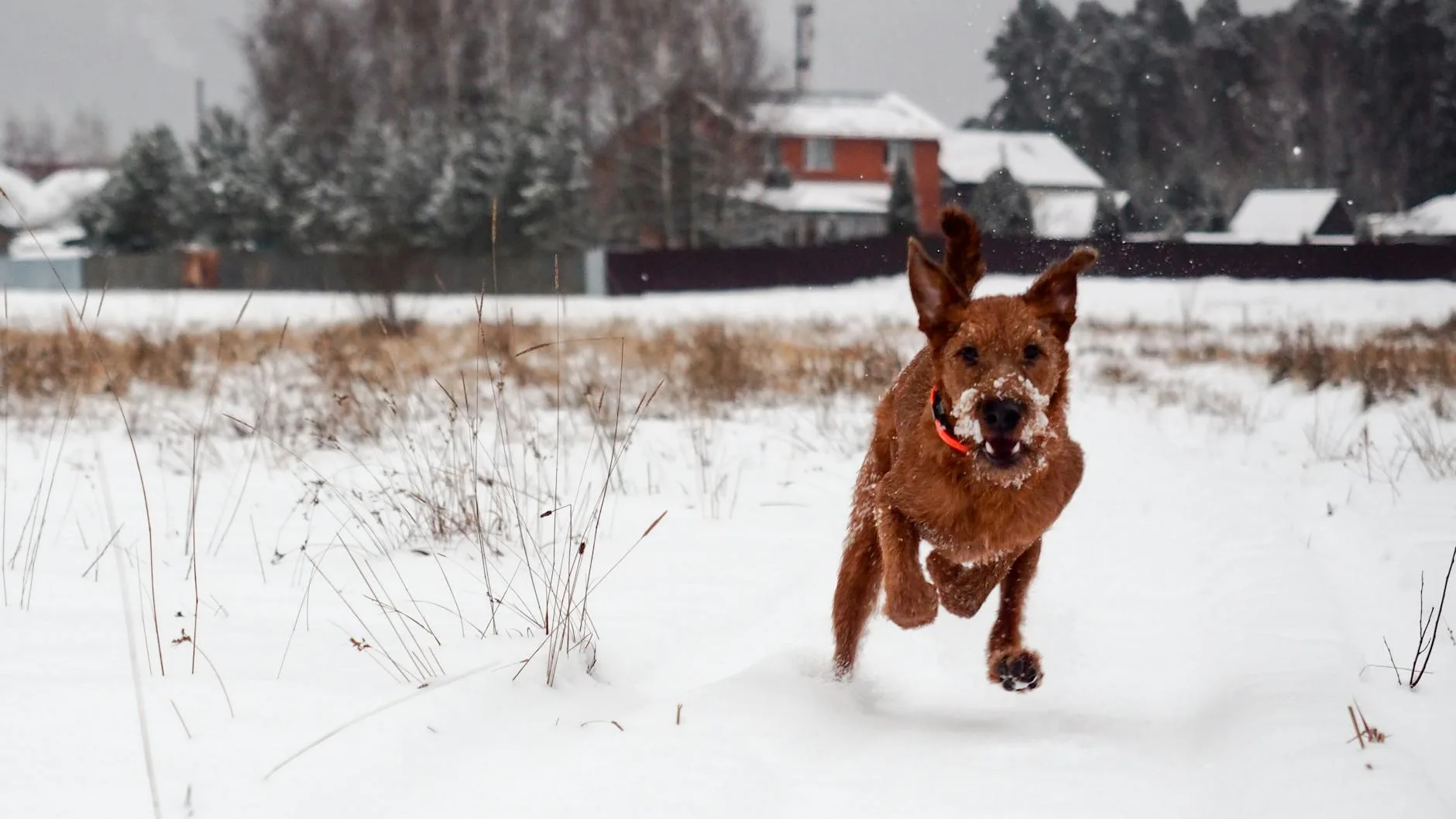
A great skill to have is the solid recall. It is very important. It keeps them safe at the dog park, helps with tricky situations on walks, and helps you both have more freedom to enjoy your time together.
Using the everyday practice and time to teach this skill is very important. With a little bit of time, most dogs can learn the basics in a few weeks, and with time and practice, it can even be perfected.
Why Recalls Often Fail
A lot of people don’t realize they are unknowingly poisoning their dog’s recall. Dogs do learn that they are called over to where their owners are to do something terrible like stopping playtime and giving them a bath. Unpleasant things happen when they are called over and the fun stops.
Another mistake people do is cueing their dog repeatedly when the dog does not respond. This condition the dog to think the cue is background noise and not something important that requires action. If you find yourself saying your dog’s name over and over, that is a good sign that you need to start fresh.
Setting Up for Success
Begin in a calm and quiet area without too many distractions. This can be your living room or an enclosed yard. Starting in an area with less distractions increases the chance of your dog succeeding and boosts their confidence as well as your own.
Try to keep training sessions as short as possible, around 5 minutes. It is shown that dogs learn better with small bursts of training sessions and training exercises than in long sessions. After morning walks while he is alert, I usually take a few minutes to do some training exercises with copper.
Step by Step Training Process
1. Pick a particular word or phrase for recall. 'Come' is classic, but some owners like something more original that their dog won't hear in everyday conversation.
2. Begin near your dog, a few feet away. Use your recall word once, in a cheerful, upbeat tone.
3. As soon as your dog moves towards you, praise affectionately, and provide a very valuable reward. This should be better than typical treats, like little pieces of chicken or cheese.
4. Over several sessions, increase distance gradually. Move from three feet, to five, then to ten feet, always setting your dog up for success.
5. Introduce a few mild distractions slowly. Have a family member walk past, or practice by a window. Increase difficulty very gradually.
6. Once your dog is consistent indoors, practice in different locations. A calm corner of a park should come before a busy area with dogs.
7. Never call your dog for something they won’t enjoy. If you have to stop playing or give them meds, go get them instead.
Making It Bulletproof
To ensure a recall is reliable, it is essential to make coming to you the best choice every time. This means plenty of rewards even if your dog is an adult, and even if they’ve been doing it for years.
Some trainers recommend varying the type of reward based on the level of distraction. For example, if your dog is able to leave a squirrel to come to you, that is a situation that deserves a jackpot of treats, along with a lot of praise. On the other hand, if they are simply coming from the other end of an empty room, that may warrant a single treat and a little pat.
What to Do When It Fails
When it comes to recall training with your dog, repeating the cue and getting frustrated is not the right way to go about it. You should make your calls more interesting. To make calls more interesting you should start clapping, running the other way, or even crouching down.
If your dog has started to fail recalls frequently, it may be because you moved up a stage in recall training too quickly and have not put any thought into it. That's fine, go back to the stage where your dog was ready and move back up the stages more carefully. It's fine to step back. It is something that I have done with Copper many times.
Emergency Backup Plans
Despite the best training, dogs can be distracted by various things or overly excited during walks. Having an emergency recall command is a good safety net.
As an example, many dog owners will teach an emergency recall command using high value food such as hot dogs or roast beef. They don't use that food during normal recalls so their dog continues to find that food motivational. The recall command should be different so the dog can tell the difference. Owners could use a whistle instead or a special phrase that they would never use otherwise.
Teaching recall is a skill that provides benefits for many years to come. This process starts with a time commitment and a lot of repetition. Each training session will also strengthen the bond you have with your dog. It will allow you the freedom to enjoy life with your dog even more.