
A Simple Puppy Socialization Plan
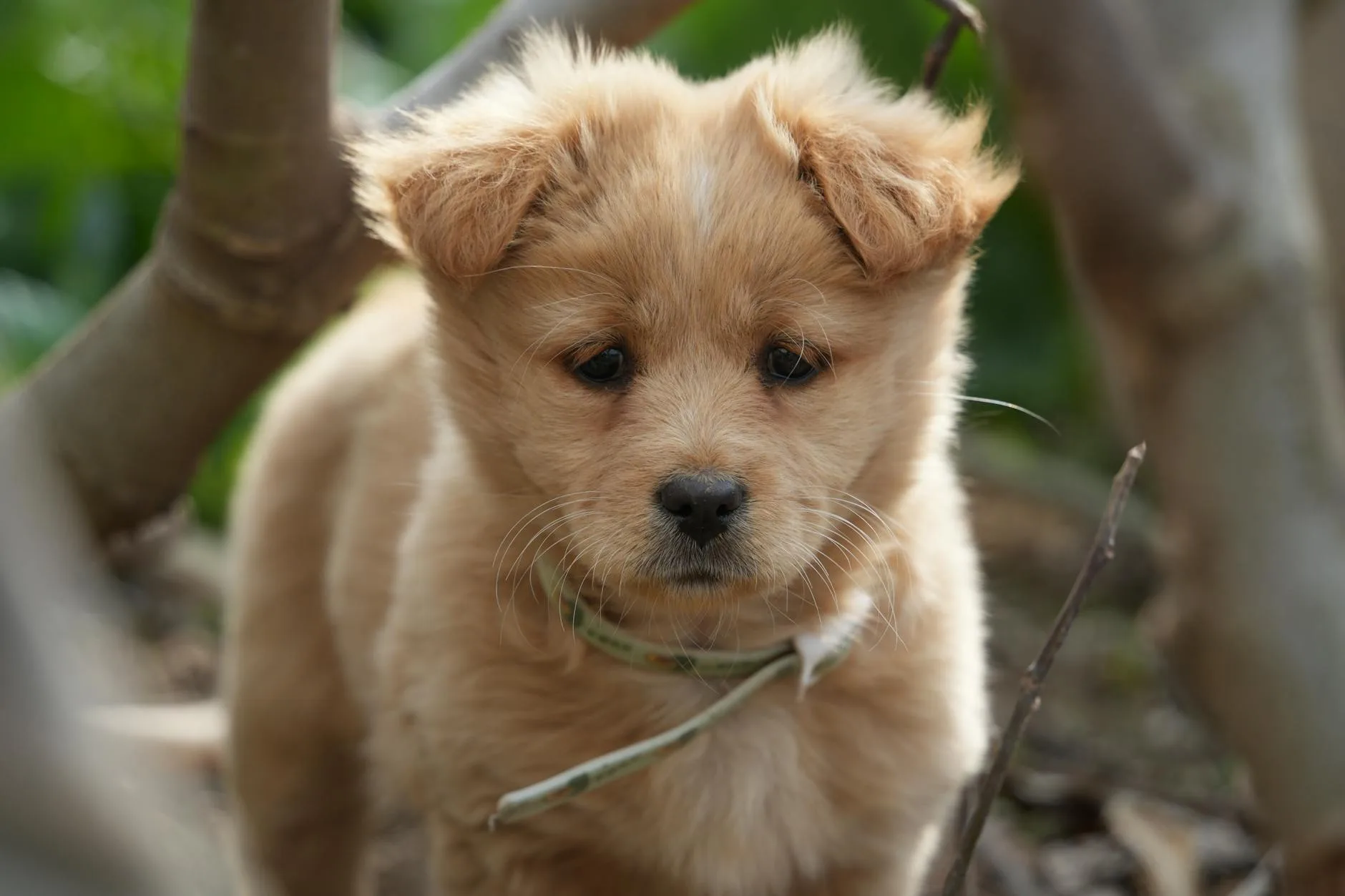
During the first big chunk of a puppy's life, they develop a lot of the personality traits they will have as an adult dog. Socializing your puppy is not about taking them places all the time. It is about making them experience and learn through positive reinforcement.
Having a plan will take a lot of the mental load off of you, and your puppy will be less stressed as well. Just be consistent and purposeful, and your plan will serve you well.
The Critical Window
Most behaviourists state that the best time period for socialization is between 3 and 16 weeks of age. That may sound like a long time but when you consider all the stuff that needs to be done there is not a good deal of time.
Just because your puppy is four months old, does not mean that socialization stops. It just means that this early period is the best time for socialization since the brain is more receptive to new things. What seems normal to us will seem normal to your dog in the future. What seems scary can be even more difficult to get over in the future.
What Socialization Actually Includes
– Various people including kids, seniors, people with hats, people with canes, and people in wheelchairs, Other vaccinated, friendly dogs, and also calm adult dogs, Daily noises including vacuums, doorbells, traffic, and thunder, Different surfaces such as grass, gravel, tile, and metal grates, Cars, crates, and being handled gently for grooming and vet appointments, New surroundings like parks, sidewalks, parking lots, and calm outdoor cafes
Go Slow and Watch Your Puppy
Keep an eye on your puppy's body language, especially when approaching new things. If they're wiggly, that means they're interested. If they freeze, tuck their tail, or try to hide, that means they're scared. If your puppy seems nervous, give them space. In fact, let them observe the new thing from a distance. Once they seem comfortable, reward them with treats and praise. Again, let them set the pace.
Balance Safety and Exposure
Most likely, you'll receive mixed information regarding the appropriate time to take your puppy out, prior to the completion of their vaccinations. Due to the behavioral risks that come with undersocialization, many veterinarians recommend socialization, even though some vaccines are still missing.
The focus should be on low risk environments. Steer clear of dog parks and areas where strange dogs might have eliminated. Transport your puppy to busy locations, have friends with dogs come to your house to socialize, and let your puppy observe the environment while you hold them, or from a blanket. Discuss the details of your area and your puppy's health with your vet.
Make It Part of Your Routine
You do not need to plan complex activities for every day. Most of the time, socialization can happen in small moments.
Sit on your front step and watch cars go by. Invite a friend over for a coffee. Walk a different route than normal on your dog’s walk. Play recordings of fireworks or thunderstorms at a low volume while your puppy is eating dinner. The more you weave these experiences in your every day life, the less like a project it becomes.
Socializing your dog is one of the best things you can do for your pup. It does take some work, but it doesn't have to be hard. Be positive, take your time, and understand you are making things better for yourself and your dog in the future!