
Caring for an Older Cat
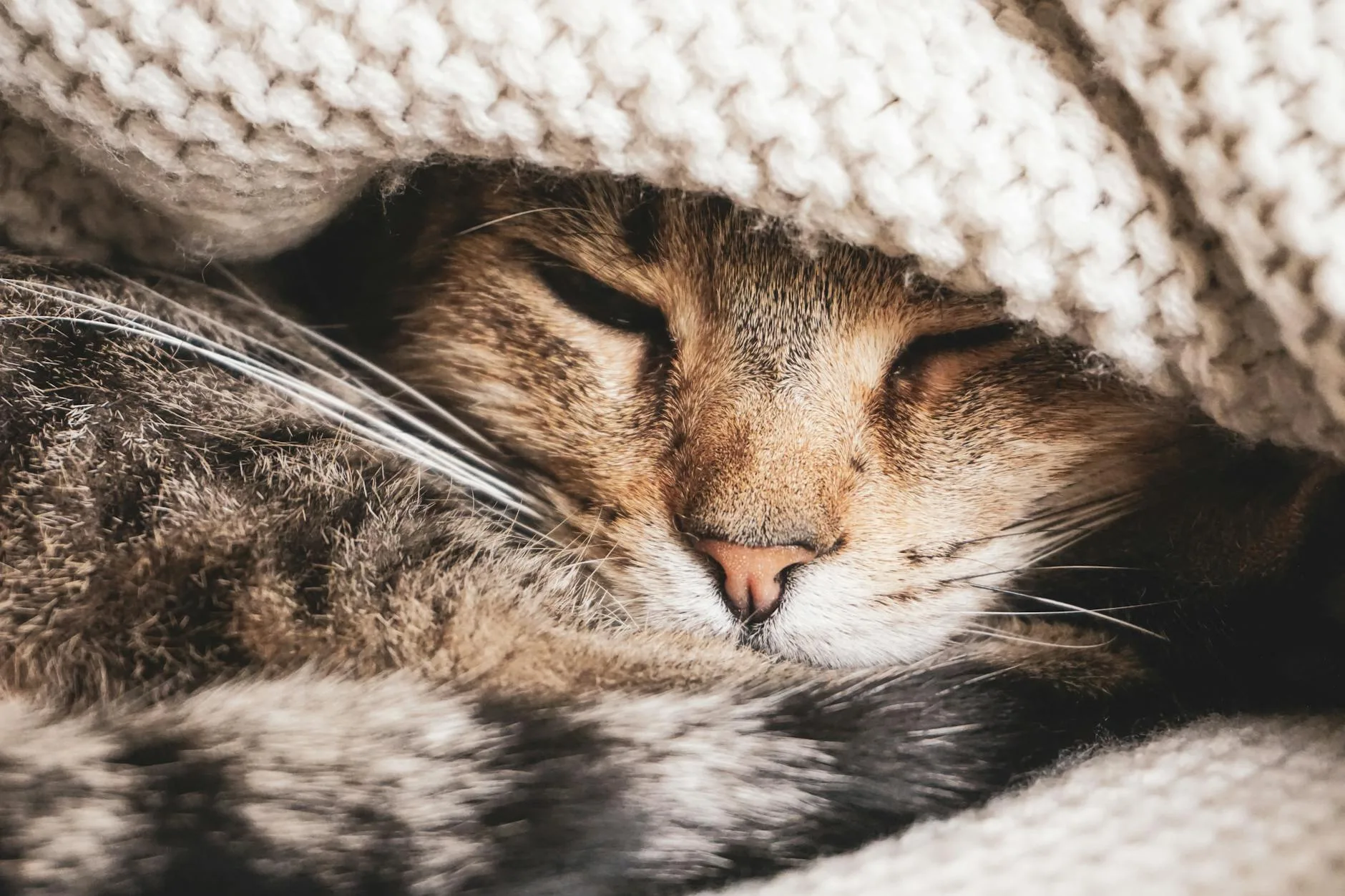
As cats get older, they adjust to your daily patterns so well that you may not even see the changes taking place. Maybe they sleep a few more hours during the day. Perhaps they take their time going up to the windowsill. Maybe they aren’t as excited to play with the feather toy as they once were. These changes are a part of the aging process, but they also unfortunately mean that your cats needs are changing.
As senior cats age, owners who previously had little cat care responsibilities will now need to make more accommodations. Here are some tips most helpful to adjust your cat care routine.
When a Cat Counts as Senior
Most vets consider cats senior at age 11 and geriatric around 15 years old. These ages can be misleading though. Some cats start slowing down at 9 years old, while others are playfully chasing toys well into their teenage years.
More important than age, are changes that may occur in the activity level, overall behavior, and appetite of your cat. Don't wait for these changes to start thinking about senior cat care.
Feeding an Older Cat
Muscle mass needs to be maintained as protein needs to be increased for older cats. Age also comes with a decline in kidney function so based on bloodwork your vet may suggest some changes.
Senior cats prefer to eat smaller portions more frequently. As they age their sense of smell diminishes making food less enticing. Some cat owners have noticed that their cats enjoy less deep dishes that don’t touch their whiskers and slightly warmed wet food.
If you older cat has a noticeable loss in weight, even if their appetite appears normal, should very likely be examined by the vet. Dental pain, thyroid problems, or other treatable problems that will respond to early intervention can be signaled by this.
Keeping Them Comfortable at Home
While many people do not realize it, arthritis is a common issue with older cats, and cats are good at hiding it. You may see your cat avoiding jumps that were previously easy or using the couch instead of a cat tree to rest.
Making your cat's favorite spots more accessible by adding ramps or cat steps will help them a lot. You may also want to lower the sides of your litter box and consider giving your cat a litter box on every floor so they don't have to use the stairs. Heated pads and orthopedics beds can also help.
I did not realize Juniper was in pain because she had started sleeping on our bed more, but then I put a footstool next to her perch. It’s great to see her jumping back to that perch again.
Grooming and Physical Changes
Older cats may groom less, especially around the hindquarters if arthritis limits their flexibility. Owners may notice the hindquarters are not as clean or may have evidence of matted fur. Regular brushing helps prevent mats and gives owners a chance to discover lumps, skin changes, or weight loss that may not be obvious without brushing.
Senior cats often need nail trimming more frequently because their scratching behavior may be less and, therefore, growth of nails may be more. Overgrown nails can curl into the paw pads of the cat, so an inspection of the condition of the nails every few weeks is warranted.
Watching for Health Red Flags
Increased thirst or increased urination may indicate diabetes or kidney problems. Changes in litter box habits and accidents outside the box could mean there are medical issues and not behavioral problems. Vomiting on even just one occasion, bad breath, or a sudden shift in personality, should be brought up to your veterinarian.
Senior cats should see a vet at least every six months rather than every year. Bloodwork is able to catch hyperthyroidism or kidney disease before more serious symptoms develop, and early intervention is more beneficial.
Mental and Social Needs
Senior cats need enrichment activity too, but in a gentler way. A bird feeder right outside a window perch, a laser light pointer (used slowly), and puzzle feeders with easy solutions are all good options to keep older cats engaged without too much exertion.
Senior cats may experience anxiety or vocalization as described, especially at night. This can be a result of cognitive decline which can be similar to dementia. Night lights and consistent routines may help. Your veterinarian can provide options for medication or anxiety supplements.
Knowing When Quality of Life Shifts
This is the toughest piece. Each of us would prefer signs to be very clear, but they typically end up being changes in steps. Is your cat still finding enjoyment in food, seeking your attention, and resting quietly? These are positive signs!
When pain is less controllable, when they stop eating regardless of food changes, or when they are around less than more, it is probably time to consider options that your vet provides. You know your cat more than anyone else, and that knowledge is very valuable.
Kitties are kind creatures that fit into many different aspects of a cat owner's life over the years, so we must now start to appreciate the tiny details. Older cats often require a cat owner to start slowing down. This isn't always the easiest thing to do, but it is among the warmest gestures that a cat owner can display.