
Helping a Dog With Separation Anxiety
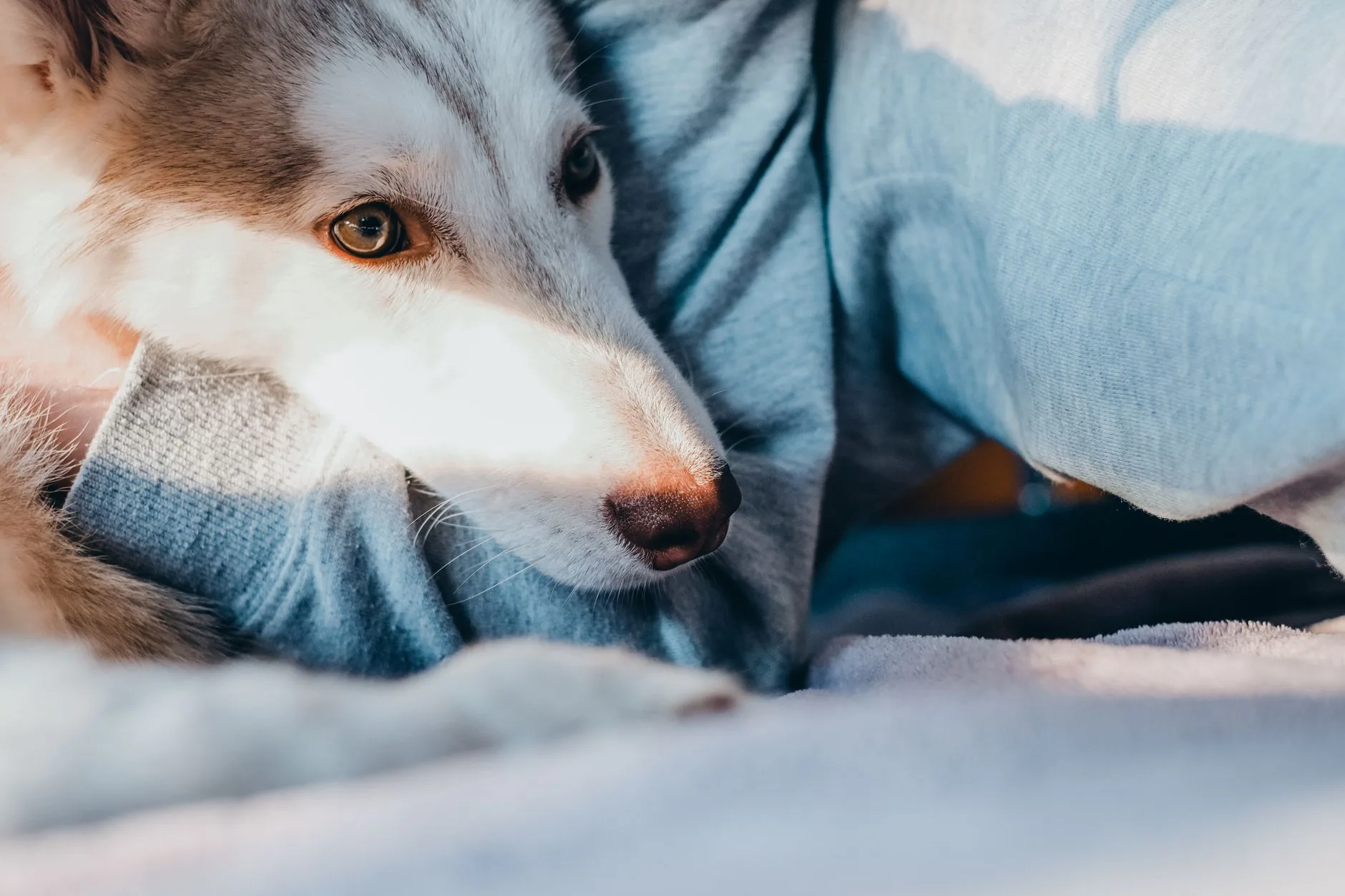
It's tough leaving the house if your dog gets upset when you leave. Your dog isn't the only one who finds saying goodbye hard. Many dog owners have to deal with dogs who experience separation anxiety. Unfortunately, this is just as tough on owners as it is on dogs.
The bright side is that most dogs can be taught to become more comfortable with being alone. It just takes the correct training approach and lots of patience. The next few paragraphs will explain training techniques that have helped dogs and owners.
What Separation Anxiety Actually Looks Like
Dogs that suffer from true separation anxiety bark and howl excessively, destroy furniture and doorways, have accidents inside the house despite being house trained, and attempt to try to escape. Some dogs even drool, pace, and not eat while left home alone. True separation anxiety goes beyond some whining at the door.
True separation anxiety is often mistaken for boredom. Lack of exercise can also lead to similar behaviors. Before you consider anxiety specific strategies, try to stimulate your dog both mentally and physically.
Contact your veterinarian to figure out whether the issue stems from medical problems or anxiety.
Start With Very Short Absences
An important part of helping an anxious dog is increasing their confidence little by little. To start, try leaving the house for only 30 seconds. Always return before your dog becomes anxious. If your dog remains calm, try leaving for a longer period next time.
This method is called desensitization, and it takes a lot of time. Spending days and even weeks increasing the time you leave is completely normal. It can be frustrating when it feels like time is moving slowly. Most owners see a lot of small improvements when they keep a journal documenting their dog's progress.
Create a Calm Departure Routine
Dogs can easily pick up on behavioral cues that indicate you're leaving, such as grabbing your keys or putting on shoes. They may even get anxious before you head out the door.
Try changing your behaviors that indicate you're leaving. Maybe while holding your keys, you can just sit on the couch. Or putting on a coat, but then staying to watch some TV instead. These types of behaviors can help you dog stop associating these acts with you actually leaving the house.
When you do leave, try to keep it as casual as possible. Avoid any big, long goodbyes and clear your departure to be as simple as possible.
To help distract your dog from any anxiety caused by your departure, consider giving them an active puzzle or a deployed treat toy just before you leave so that your dog develops a positive association with your departure.
Make Alone Time Less Stressful
The type of environment you leave your dog in is important. Some dogs might enjoy a snug crate that feels like a little den, while others might need more room. If outside noise triggers barking, maybe a white noise machine or some calming music could help.
Some dogs will be comforted by your scent, so leaving a piece of your old clothing should help. Make sure that the light is not too harsh and that the room is a comfortable temperature . If your dog tends to break things or cause a mess, closing them off to a safe area will protect your things, and it will also make sure your dog does not eat or chew any dangerous items.
When to Seek Professional Help
Coping with a dog that suffers from extreme anxiety can be very hard. If your dog's anxiety has been persistent and improvement seems to be out of reach, it is time to seek help from those with more experience. A certified dog behavior consultant or veterinary behavior specialist can help you with your specific problem.
Your veterinarian could talk to you about anti anxiety medications, and how they may be a good potential option for your dog. Though medications may help the anxiety of some dogs, the benefits that can come from them include learning new skills and being able to gain a higher threshold for training. It is not failing or the less difficult route, it is giving your dog what they need to improve.
Taking Care of Yourself Too
It's normal to stress about having a dog with separation anxiety. Normal to feel guilty about leaving, or feel anxious about what you will find when you return home. Totally normal feelings.
Good and bad days are to be expected. Patience with yourself is just as important as patience with your dog. Many find it helpful to speak to others who are dealing with the same issues. Training groups and forums are both good options. What you're doing is important.
It's tough helping a dog with separation anxiety, and will take a lot of time, compassion, and consistency. But guess what? It'll pay off! The right support and approach make a world of a difference. Most dogs can learn how to be comfortable when an owner is not home. You got this!