
How to Stop a Dog From Pulling on the Leash
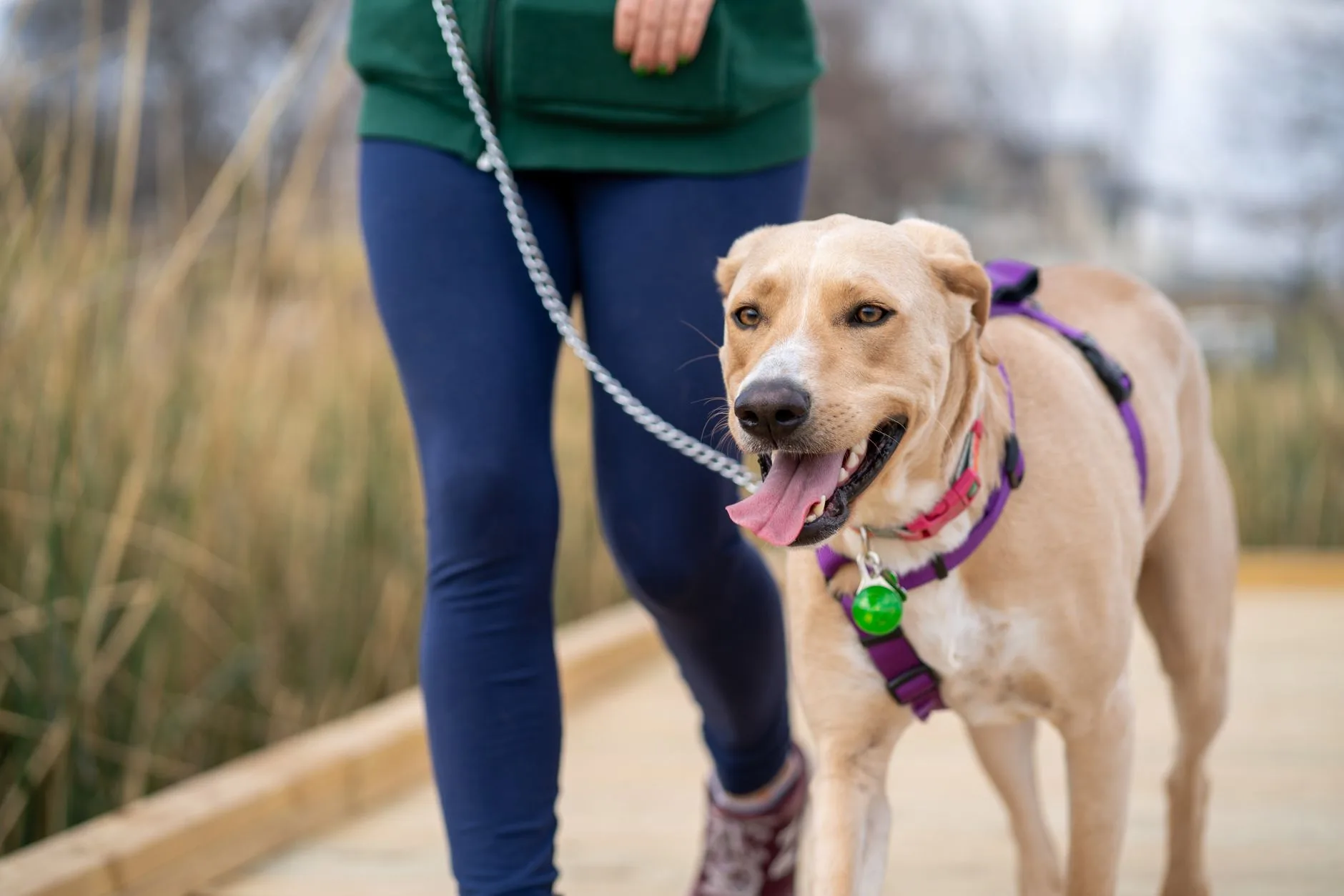
Most dog owners face challenges when their dog pulls on a leash. This behavior can make a nice walk into an annoying game of tug of war. Most dogs can learn to walk nicely next to you with enough time and the right strategies.
Pulling behavior is natural to dogs. They walk faster than humans do, and the outdoors is full of interesting stimuli. Understanding the motivation behind your dog's pulling is the first step toward teaching more polite behavior on the leash.
Why Dogs Pull in the First Place
The way dogs experience the world is different from humans. For dogs, the world is more densely packed with information, which makes processing it more difficult. This is why a normal dog walk is more like an obstacle course. When a dog pulls on the leash and reaches the end of it, the owner often follows along and lets the dog move where it wants. This reinforces the dog’s pulling behavior. With enough time, pulling while walking becomes their new normal.
Of course, dogs that are younger, more active, and certain breeds with higher than normal energt levels may do this to a higher degree than other dogs. However, any dog is more than capable of creating this condition. It can be some misunderstanding about what the owner wants from the dog, but it isn't about a dog wanting to be dominant or disrespectful.
The Stop and Start Method
One of the most simple, but effective, training techniques you can try is to practice stopping anytime there is tension on the leash. When your dog pulls you, stop moving. Then stand still until the tension releases on the leash. Only then, start moving again.
With enough practice, your dog should learn that tension on the leash means the walk is stopping, but a relaxed leash means the walk keeps going. Remember that this will take time. In the beginning, you may have to choose a small route because you will be stopping a lot as your dog learns. This was the case with my dog, Copper. He used to pull significantly toward every squirrel, and it took us around twenty minutes to complete our initial training walks around the block because we stopped so much.
Rewarding the Right Position
When we tell dogs what we don't want them to do, and not what we do want them to do, they often become confused. They need positive reinforcement for the act of walking next to you and not pulling, and they need it at that very moment that they are behaving as you want them to.
Have treats on you so that you can give the dog a reward and positive reinforcement at the very moment they are doing what you want. If they begin to pull ahead, it is too late. They will be rewarded for walking ahead and, as a result, will learn that he should pull. To avoid that, you need to give them the reward immediately.
Tools That Can Help
Here are some example pieces of equipment that might help make your training easier: front clip harnesses that redirect your dog toward you when they pull, head halters that give you more control over direction, standard back clip harnesses for dogs who already walk well, and longer training leashes for practice in open areas.
The right equipment won't substitute training, but they can supplement your efforts. Many owners report that the difference between using a collar and using a front clip harness is huge when it comes to managing pulling.
Common Mistakes to Avoid
It is common to be inconsistent. If your dog is pulling while walking and you let them do it because you are in a rush, they learn that pulling works for them. Make sure to apply the same criteria on every walk.
Another mistake is addressing the behavior too late. The longer a dog practices pulling, the harder it becomes to change that behavior. This is why starting training early is important, even with puppies. Everyone is going to have an easier time. With that being said, older dogs can learn new walking skills too. It just takes more effort.
When to Seek Professional Help
You may consider collaborating with professional dog trainers or veterinary behaviorists if your dog pulls aggressively or lunges toward people or animals. Lunging and severe pulling can be hard on both of you and even painful. They can evaluate your case and develop the right training plan for you.
There may also be some anxiety issues or reactivity issues that pulling may be related to, and that may require some professional help. Seeking help can be beneficial, and in many cases it can significantly accelerate progress.
Teaching a dog to walk on a loose leash can take a lot of work, but is one of the most gratifying skills you can teach them. Every walk will become more enjoyable when both you and your dog can be relaxed. Progress is not always linear when working with dogs. Remember to celebrate the little things. Soon you will be able to enjoy your entire neighborhood with your dog.