
Traveling With a Dog or Cat
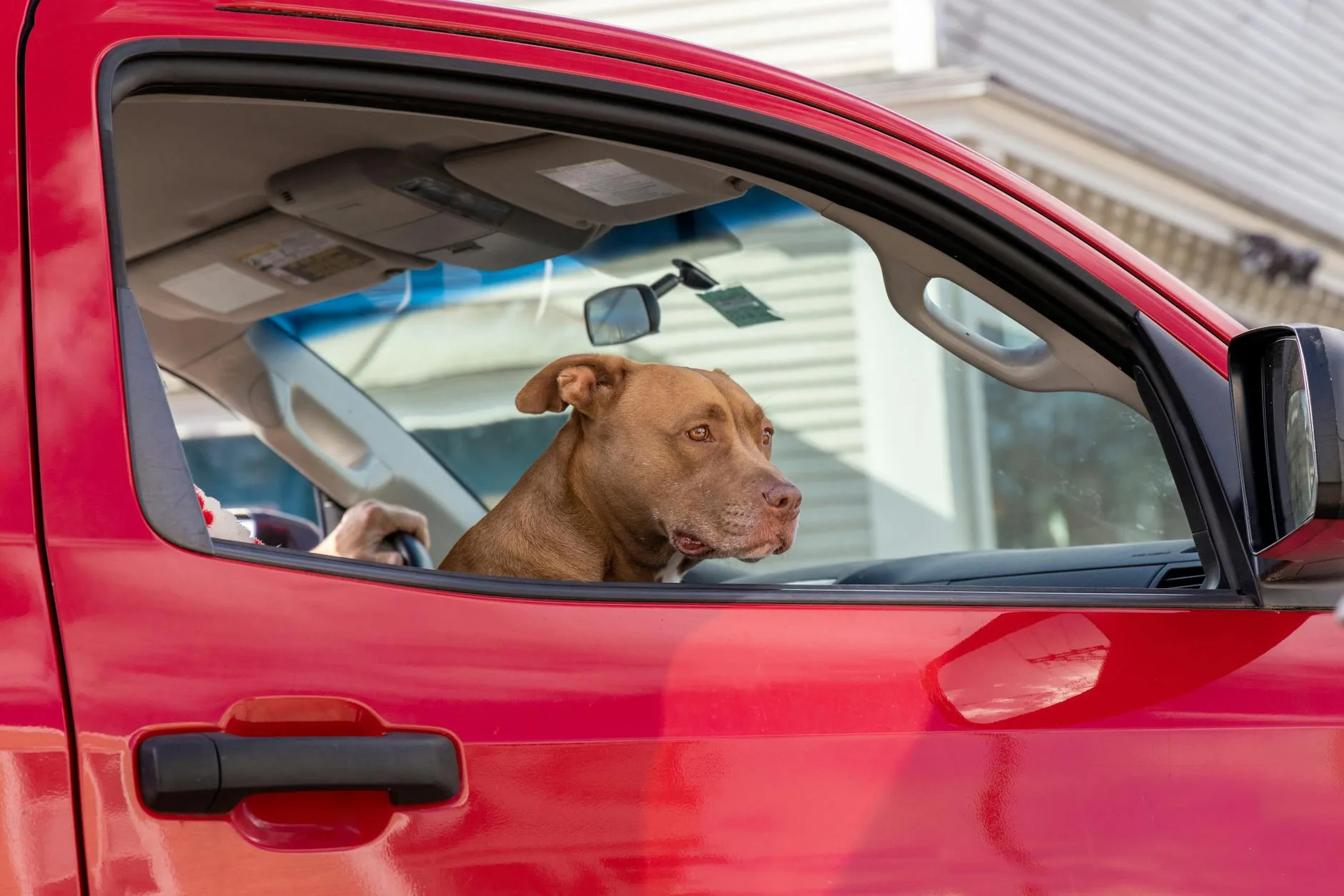
Traveling can be an overwhelming experience, especially when your furry friends are along for the ride. But most trips are easier for everyone involved with a little planning.
No matter how far the journey may be, having knowledge about what your pet needs can keep them safe and make traveling a whole lot easier. Based on my research and pet owner conversations, here are my top tips for traveling with pets.
Preparing Your Pet Before You Go
Begin by making the travel crate or pet carrier familiar to your animal. Leave it out in your home where it is easily accessible. Provide positive reinforcement by putting in some treats for your pet to find. You want your animal to explore the crate/ carrier on their own. This should be done over the span of several days so your pet can learn that the travel crate is a safe place instead of a scary unfamiliar object.
Be sure to visit the vet before your trip to check for updated vaccinations and travel health certificates so you can get the respective documents. If your animal experiences anxiety, your vet can also recommend a calming medication. If you plan on traveling across international borders, you will need to have your pet's medical records or travel documents.
Car Travel Basics
It is important that your pets are secured properly while traveling in your car. For example, a dog should be in a crate or have a proper crash tested harness, and a cat should be in a carrier. If the pet is not secured, they could become a dangerous object due to the impact of the accident, even if it is small. Also, your pet may become nervous and try to climb into your lap and distract you while you are driving.
If you are traveling a long distance, plan for rest stops every 2, 3 hours. This will allow your dog to get a drink and use the bathroom. If you have a cat that is in a moving car, you will have to offer the cat to use the litter box at rest stops even if the cat is not moving to use it. Make sure that you never leave your pets unattended in the car. Car temperatures can become dangerous in just a few minutes.
Flying With Your Pet
Because policies can change frequently for different airlines, check them early so that you know how to manage your pet’s travel. Smaller pets can often fly in the cabin if their carrier can fit underneath the seat in front of them, while larger pets may need to travel as cargo. To minimize the risk of having your pet left on the tarmac during a layover, it is best to book non stop flights.
Pets must travel with health certificates, signed by a vet within the last ten days. Do your best to acclimate your pet to the carrier they will be using, choosing an airline approved carrier and using the techniques you’d use for any carrier. On the day of travel, skip the large meal, as this will minimize the chance of an upset stomach.
Finding Pet Friendly Accommodations
Even if a hotel states they are pet friendly on their website, it is best to call them to confirm their exact pet policy, as they may have several restrictions. Find out if an additional fee is required, if they have rules about how large a dog can be, what breeds are permitted, how many dogs can be in a room, or if there are relief areas on the property.
To keep as much of your pet's routine the same as possible and to help reduce their anxiety, you should bring along their usual food and toys, a pet bed, and other familiar items. When you get to the new place, it is important to give your pet time to explore and get familiar with the new space, and you should do this before you unpack and get settled.
What If My Pet Gets Anxious While Traveling?
While all the planning in the world can help some pets with travel anxiety, for others, travel is genuinely stressful, and signs like excessive meowing, drooling, panting, pacing, or they simply may not eat can demonstrates this.
If your pet is in this category, a pet anxiety vet visit prior to the travel is a must to seek their professional advice on travel anti anxieties, calming supplements or pheromone spray, etc. During the travel, pets often feel stressed and upset just like their owners, so make sure to keep your own stress and anxiety in check. Sometimes the best option is to leave your pet with a trusted Sitter or boarding place rather than taking them on long trips, especially if they are already showing signs of being stressed about the journey.