
Why Does My Dog Eat Grass?
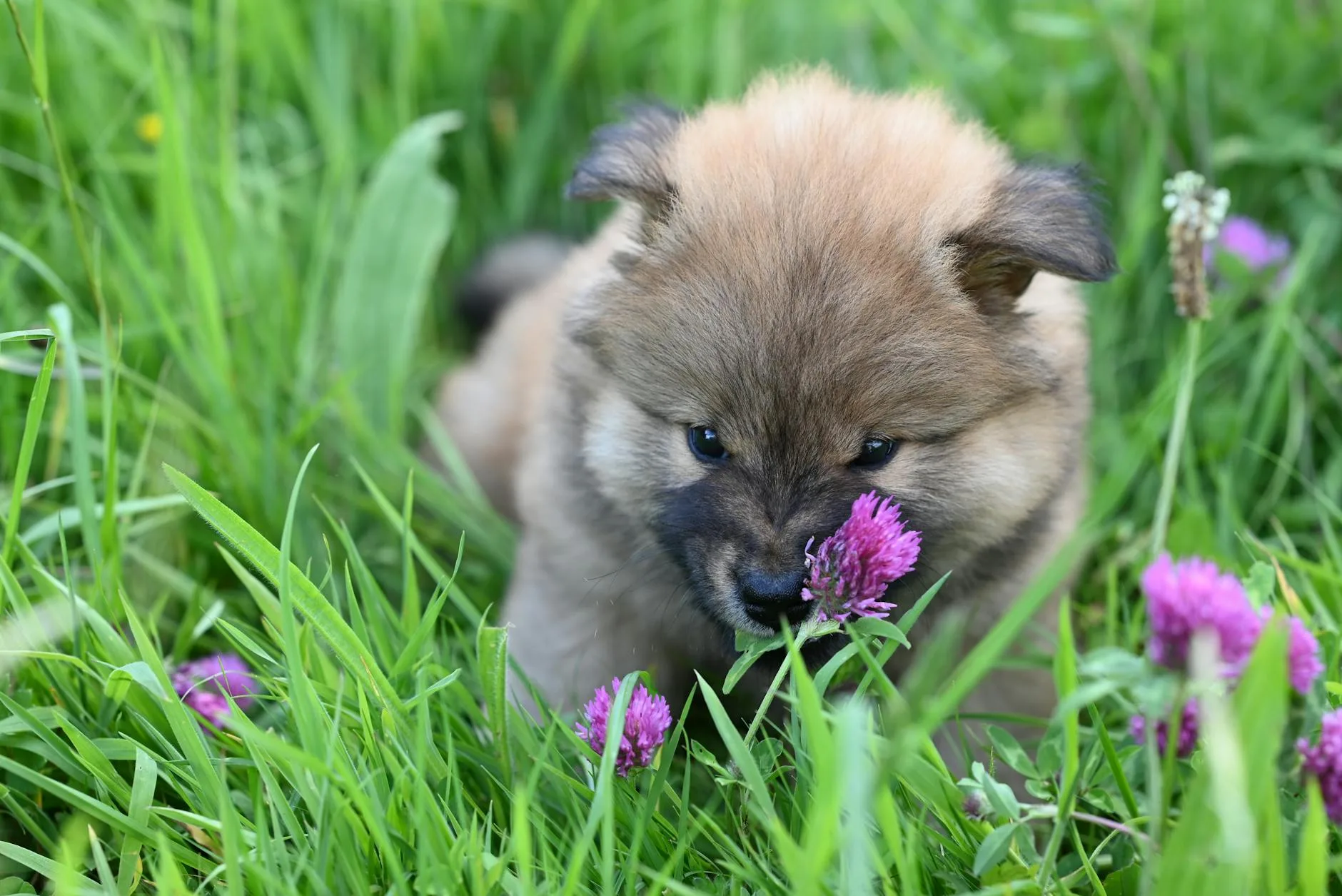
Have you ever looked outside and seen your dog grazing on grass like some little furry cow? It is a behavior that many dog owners find strange but most dogs will eat grass at some point. It may not seem normal, but it is not usually a concern.
It is important to understand why your dog is doing this and when you should worry. Let’s look at the most common reasons, what to watch for, and how to respond.
Most Dogs Just Like It
The easiest answer is likely the correct one. Young dogs eat grass because it is crunchy, and dogs will favor certain types of grass, especially when spring arrives and new, tender shoots are visible. Other dogs will munch on grass throughout the year.
There is an abundance of scientific literature which supports the notion that grass nibbling is a perfectly normal activity, particularly for younger dogs. Merely consuming grass does not automatically imply that a medical issue of some type is present. As long as your dog appears healthy and is not vomiting or behaving lethargically, there is a good chance that your dog is just enjoying a crunchy snack.
They Might Be Feeling Nauseous
Some dogs will eat grass when they feel unwell. The reason may be that grass can help them barf up whatever is bothering their stomachs. You may even see a dog frantically eating grass and a few moments after, they throw up.
However, research suggests that most dogs do not vomit after eating grass. Only about a quarter of those dogs actually vomit. Many dogs eat grass and don't appear to be sick. While feeling nauseous may be one reason why dogs eat grass, it certainly is not the only reason.
It Could Be a Dietary Need
Dogs are considered to be omnivores, and some professionals think that they might consume grass to add a bit of fiber or roughage to their diet. In the wild, canines will eat plant materials found within the stomachs of their prey, so a little bit of greenery does not appear to be too out of the ordinary.
If your dog is eating a lot of grass, then their diet is worth reviewing with your vet. Behavioral changes can sometimes be attributed to high quality diets with sufficient amounts of fiber. But again, grass eating should be regarded as harmless.
How to Respond When Your Dog Eats Grass
If you would like to try and eliminate or lessen your dog's grass eating, here are some suggestions.
1. Observe patterns. Do you notice times that are consistent for grass eating? Try to figure out if your dog eats grass after eating, or on certain walks. This may help you figure out the why.
2. Consider your dog's diet. Are they eating a well balanced dog food? If you're unsure, consult your veterinarian.
3. Try some alternatives. Carrots, green beans, or other vegetables may be a great substitute for grass.
4. Consider a distraction. If your dog aims for grass every time you go to the park, every time, consider bringing a toy to get the dog's mind off the grass.
5. If the grass eating becomes obsessive, or if it is suddenly paired with vomiting, diarrhea, or lethargy, then do be sure to consult with your veterinarian.
When Grass Eating Is a Problem
Most of the time, the actions described above are harmless. However, if you notice any of the following concerns, you should definitely call the veterinarian.
If the grass eating behavior is excessive or appears somewhat compulsive, it could indicate some form of gastrointestinal distress or a lack of nutrients. Other concerning signs include persistent vomiting, changes in appetite or energy level, unexplained weight loss.
Some environments can be dangerous for grazing dogs, so pay attention to where the dogs are grazing. Grass that has recently been treated with pesticides, herbicides, or fertilizer can be poisonous. If you are in doubt, it is best to keep the dog away from the area.
What About Boredom or Anxiety
Many dogs munch on grass just to do something. Your dog might not be getting enough exercise so they turn to grass to fill the time.
Copper nibbled grass more on days when she was walked less. It is not always the grass, it is often to fill time or calm anxiety. This behavior can be reduced with more mental stimulation in the form of an interactive toy, more training, or a longer walk.
It's not unusual for dogs to eat grass once in a while, and usually, it's nothing serious. If you feel like something is seriously off, or the behavior is extreme, follow your gut and talk to your vet. You know your dog better than anyone.