
Why Dogs Shed and How to Manage It
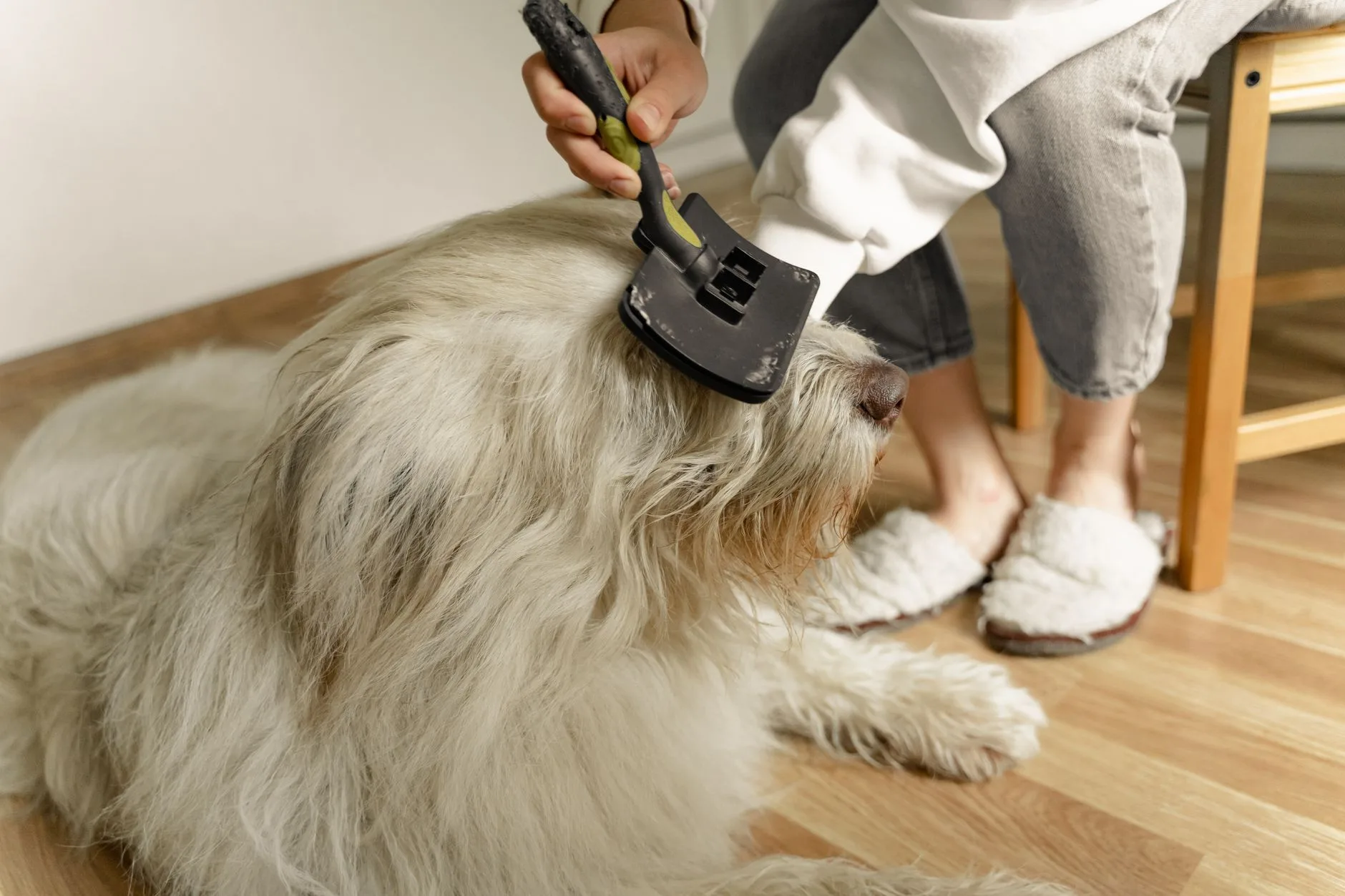
There are few things worse than wearing a black sweater and having your dog rub against you. Shedding is a common occurrence and could be an everyday part of the job. Most dogs will shed at least a small amount, some will shed and then blow their coat twice a year. A lucky few hardly shed at all.
Depending on the situation and how you plan to handle it, you can keep your shedded hairs in your house to a minimum.
Why Dogs Shed Their Fur
An example of a natural process is shedding, during which old damaged hair falls off to allow new hair to grow in places. Because a dog’s hair goes through different life phases, growth, rest, and release, shedding occurs to some degree with almost all dogs.
Season, health, and breed all contribute to how much dogs shed. Dogs with double coats, like Golden Retrievers and Huskies, shed quite a lot, especially in spring and fall, when temperatures change and they have to shed their winter coats. Dogs with single coats and those with hair instead of fur (like Poodles) don’t shed as much.
What Affects How Much They Shed
In the spring, dogs will start to shed because there are warmer temperatures and longer days. They will lose the heavy coat they had for winter. In the fall, dogs will shed their lighter summer coat to prepare for the heavier coat they will need for winter.
Diet and overall health are factors to consider. A dog with a balanced meal plan, incorporating the right amounts of protein and fat, will have a more manageable coat and shedding. If stress, allergies, parasites, or hormonal imbalances are present, it could cause more shedding than usual, so it is a good idea to visit the veterinarian if this happens.
Regular Brushing Makes the Biggest Difference
The most important part of dog grooming is brushing. How often you brush your dog depends on the breed and coat type. For example, short haired dogs will need brushing once a week, while long haired dogs should be brushed once a day, especially during heavy shedding seasons.
Brushing also keeps your house cleaner by removing loose fur. Regular brushing helps distribute the natural oils in your dog's coat and as a result, the dog's skin will be healthier and regular brushing can actually reduce shedding in dogs. For example, I brush Copper outside so I don’t have to sweep my whole living room every day.
Bathing and Diet Support Healthy Coats
Bathing your dog every few weeks (or as needed) can help loosen dead fur and clean the skin. Be sure to use dog shampoo as human products can irritate the skin and cause more shedding.
Providing your dog with a good quality diet that contains omega fatty acids will help their skin and coat. Some owners say that adding fish oil to their dog’s diet or switching to a more expensive dog food has helped with shedding. Always talk to your vet before making changes to your dog's food.
Can You Stop Shedding Completely?
Short answer: not really, unless you have a breed that doesn't shed much to begin with. Shedding is normal and healthy for most dogs.
You can minimize it with consistent grooming, good nutrition, and keeping your dog healthy. But expecting zero shedding from a Labrador or a Husky just isn't realistic. The goal is management, not elimination.