
Cold Weather Care for Dogs and Cats
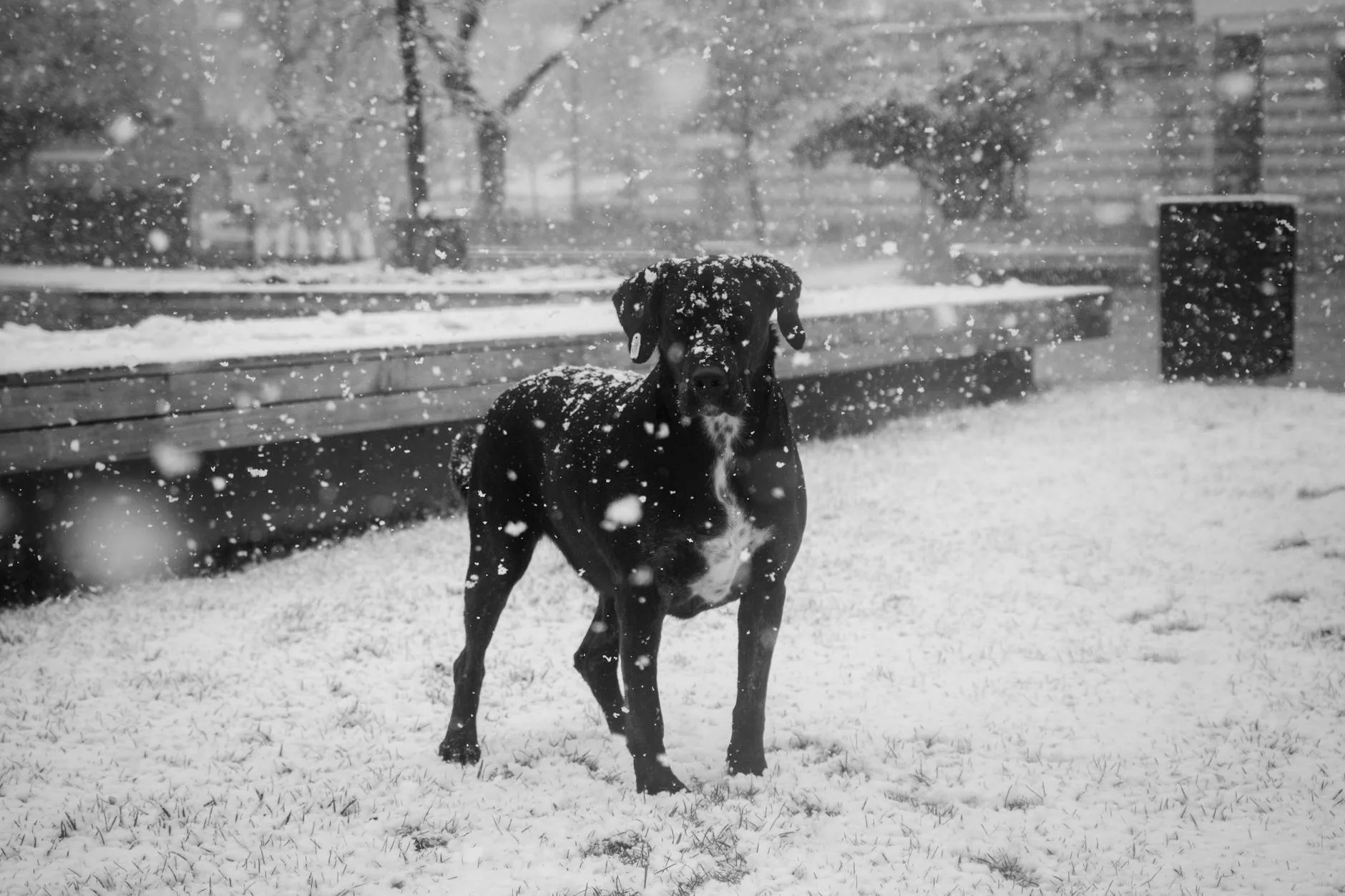
Cold weather can be uncomfortable and even dangerous for our pets. This is especially true for smaller pets, seniors, or those with thin coats.
When temperatures drop, a little preparation can go a long way. Let's talk about what really matters when it's time for winter.
Know Your Pet's Cold Tolerance
Pets experience cold weather differently. For instance, a Chihuahua and a Husky will have very different reactions to cold weather because they are built so differently.
There are several factors that influence how a pet reacts to the cold. These factors include pet size, pet coat type, pet age, and the pet's overall health. Pets and seniors with arthritis or other health issues will usually have a more difficult time coping with the cold weather. Additionally, pets that have shorter hair will require additional assistance when the cold weather arrives.
If you notice that your pet is shivering, appearing lethargic, or is unwilling to go outside, you should pay heed to these behaviors as they may indicate that the weather is simply too cold for your pet to handle.
Limit Time Outdoors
Even the most cold tolerant dogs shouldn't be outside for long periods of time in freezing temperatures. They will still need bathroom breaks, and it is better to let them go out for short breaks instead of extended stays outside.
During winter, stay indoors. Outside and feral cats are at risk for frostbite, hypothermia, and are at risk for hiding in warm car engines. If you have community or barn cats in your area, it is good to place insulated shelters.
Protect Paws and Skin
Salt, ice, and snow can hurt your pet's paw pads. Wipe your dog's feet after they come inside and look between their toes for ice balls and check if there is any irritation.
The air gets dry during winter, and so does indoor heating. This may cause your pet to have dry, flaky skin, or a flaky coat. Make sure your pet is still drinking enough water. Good quality food supports healthy skin all year long.
Sweaters and Coats for Some Pets
While it may seem silly to outfit your dog in winter clothing, there are several reasons to do so. Small dogs, short haired breeds, and older dogs often need a jacket or coat during walks. After all, who wants to go for a walk and end up shivering like a greyhound in 40 degree weather? Make sure that the outfit you put on your dog does not restrict its movement and is the appropriate size. Also, never leave a wet sweater on your dog. Copper is happy to wear his winter coat because it means walk time is more comfortable for him, but Juniper would probably revolt if she knew she were getting a coat.
Watch for Antifreeze and Toxins
Antifreeze can be fatal to pets. Even a small amount can cause serious harm. Store antifreeze products where they can’t be reached by animals and clean up any spills immediately.
Rock salt and ice melt products can cause irritation to pets and can be harmful if eaten. There are pet safe alternatives that can be used if you are worried about your animals walking on treated surfaces.
Caring for pets in cold weather is as simple as paying attention to them. Modify your pet's daily routine and follow your instincts. If your pet seems unsettled by the cold weather, contact your veterinarian. With only a few changes, most pets can handle the winter just fine.