
How to Trim Your Pet Nails Without Stress
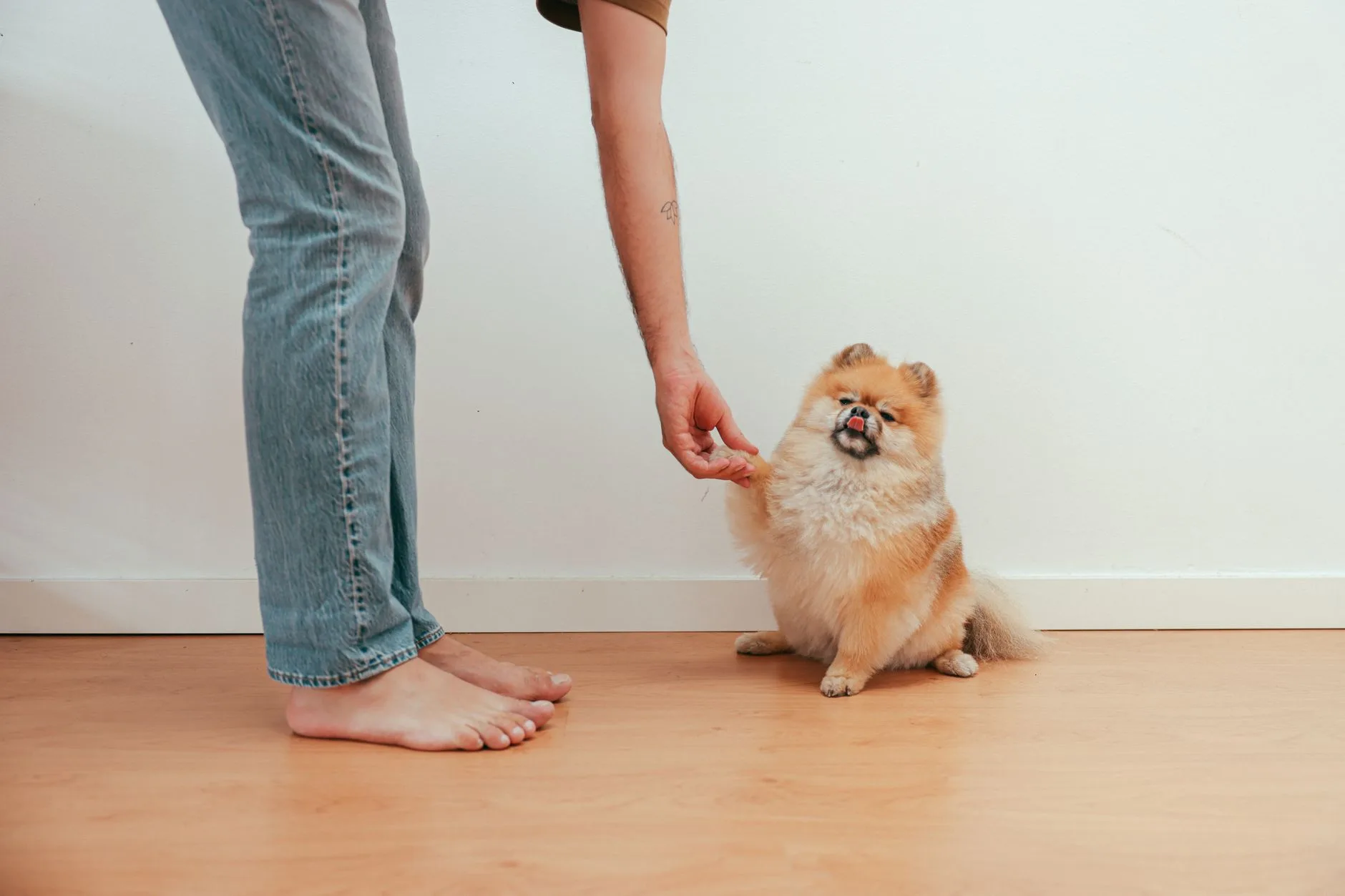
Nail trimming is a chore we've all been avoiding for a while now, including our pets. But it's a necessary evil if we want to keep our pets happy. If we don't trim our pets nails, then they may split, overgrow, and cause a lot of pain on how they walk.
The good news is that with a little patience and the right approach, nail trimming doesn't have to be difficult. You can avoid a struggle for both you and your pet.
Get the Right Tools Ready
Begin with clippers made for your pets size. Scissor style clippers are good for small dogs and cats, while guillotine or plier style tools are usually better for bigger dogs. Ensure the blades are sharp, because if they are dull, they can crush or split the nail.
Keep either styptic powder or cornstarch close by in case you cut too short. A few treats within reach help too. I like to set everything on a towel so it's all in one place and nothing rolls away.
Start With Positive Associations
If your pet hates nail trimming, it's time to build trust back. Start for a few days just touching your pet's paws and giving treats. Next, get out your pet's clippers and reward calm behavior, but don't trim any nails just let your pet sniff them.
You can practice the movements of nail trimming without actually touching your pet. The goal is for your pet to become desensitized and reward calm behavior instead of hoping for the scary. This can take a long time, but it is worth it.
Know Where to Cut
The quick is the area that has blood vessels and nerves and is under the nail. If the nail is light colored, you can see the quick, and if the nail is dark, you cannot see it, so you will need to trim the nail careful.
Position the cutting tool at an angle and remove a small amount, one small piece at a time. If you see a dark dot in the center of the surface that has been cut, stop. You are close to the quick. It is advisable to trim the nail a little and do it more often than to cut too much at one time.
Make the Experience Calm
Choose a time when your pet is already relaxed. After a walk or some play time is a great option. Find a spot that is comfortable for both you and your pet, and make sure there’s good lighting. Some people like their pets to be lying down on their lap, and others like to work with their pets sitting beside them.
Use a calm tone when talking to your pet, and take breaks when you need to. If you notice your pet becoming anxious, it is perfectly fine to take a break and come back another time. Copper can get a little fidgety, so we will often do one of his front paws on one day and one of his back paws on another day.
What If I Cut Too Short?
This happens to almost everyone, and while it's not an ideal situation, there are ways to get through it. If you find yourself with a bleeding nail, put some styptic powder, cornstarch or something similar, and put pressure on the nail to stop the bleeding. It doesn't take long for it to stop.
Your pet may be reluctant to allow nail trimming again, so it is important to go at their pace, give them plenty of praise and food, and help them regain trust. The nail will heal on its own, but the memory, predisposition and reluctance will remain if you do not help them overcome it with more positive experiences.
How Often Should I Trim My Pet's Nails?
Cats and dogs typically require nail trimming every three to four weeks, but this can vary depending on the pet and their environment. For example, pets that walk on pavement frequently will naturally file their nails and won’t need as frequent trims. You’ll know when to schedule the next trim from the sound of clicking on hard floors, or if you notice the nails touching the ground when your pet is standing.
If you’re hesitant to do it yourself, a veterinarian or a groomer can guide you. There's no shame in getting help from a professional while you build your confidence.