
Pet First Aid Basics Every Owner Should Know
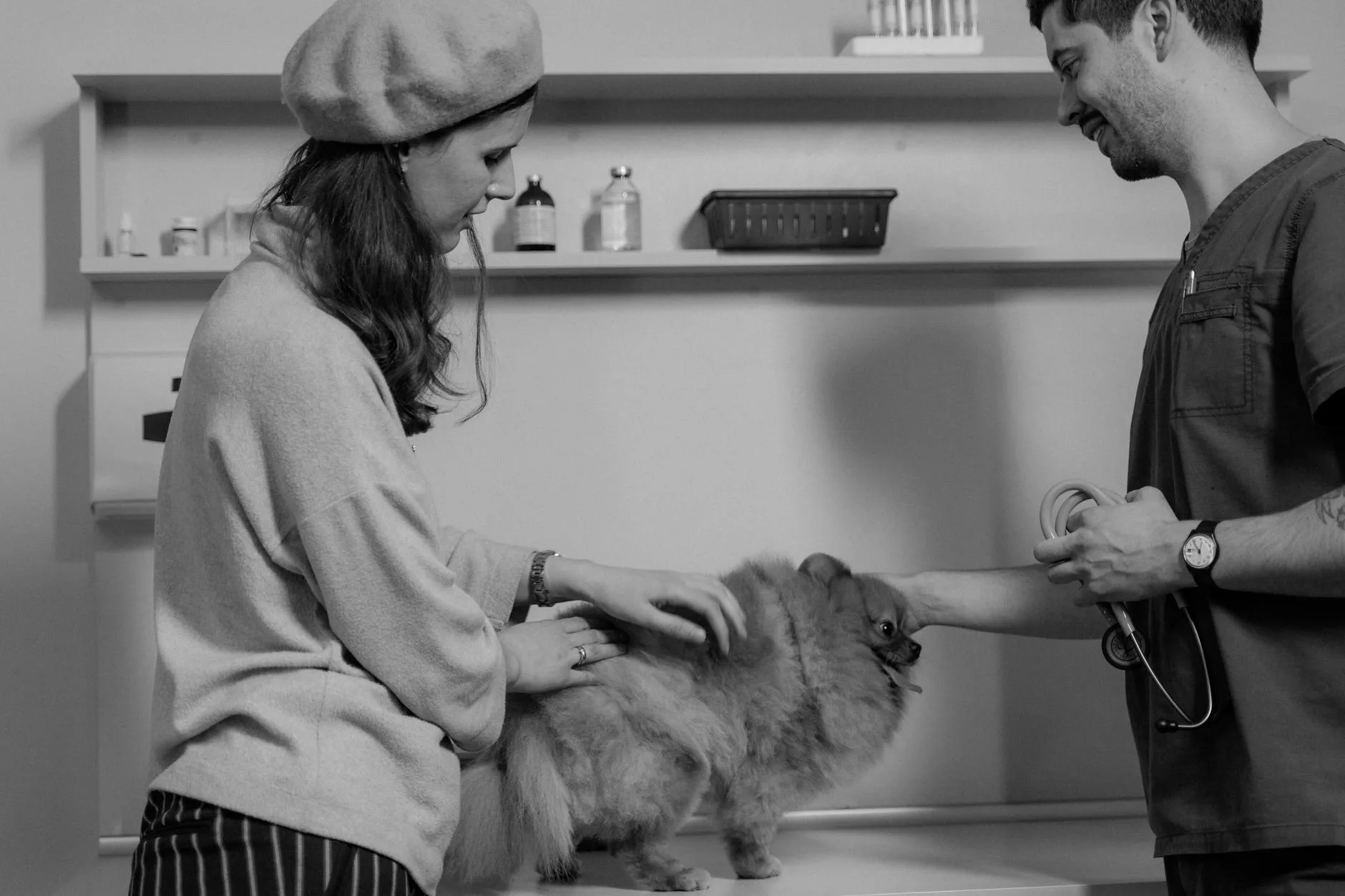
I have a first aid kit in my laundry room by the cleaning supplies and the bag of treats that Copper isn’t supposed to have access to. I try to remain optimistic and hope that I will never need to use it but having it there makes me feel good and more prepared for when something goes wrong.
Emergencies involving pets can happen in the blink of an eye or at an instant. As long as you know some of the basic knowledge, some of the basics, you will be able to remain calm and assist your dog or cat before getting to the vet. Knowing some of the basic fundamentals does not mean you will be taking the place of the professionals, instead, it means you will be ready to take action when it matters the most.
What Belongs in Your Kit
An all in one container works best as you won't be rummaging through a bunch of drawers. I use a plastic toolbox, but you can use a bag or even a shoebox.
For supplies, I keep everything in a first aid kit. This should include gauze, a roll of gauze, tape, scissors, tweezers, a thermometer, a few pairs of gloves, some slippers, and a flashlight. Then, add a blanket, the phone number of your vet, and the address of the closest emergency vet.
Some people also use a slip lead, an extra leash, a muzzle (any dog can bite if they are scared or in pain), and a needle less syringe to clean wounds or give meds. When there are toxins around, I want a detailed list of things that are not good for pets, and I have it in my kit, because I could panic in an emergency and forget.
Recognizing When It's an Emergency
Some signs indicate a clear need for an emergency vet visit, while others can wait until the morning. Your pet is experiencing a true emergency if they are having difficulty breathing, excessive bleeding that won't stop, having seizures, or is unresponsive. If they might have eaten something poisonous, this also qualifies as an emergency. In dogs, bloat can occur, which is a true emergency, and can be identified by the presence of a swollen belly, restlessness, and unproductive retching.
If your pet has any of the following, they need immediate medical attention as well: Pale gums, repeated episodes of vomiting or diarrhea, excessive lethargy that results in an inability to wake the pet, no urination for an extended time, or any traumatic injury like being hit by a car. If your pet is exhibiting behavior that is atypical for the pet and you can’t determine the cause, it is better to call the vet. You can always check and it is better to be cautious.
Handling Bleeding and Wounds
If your pet has an injury and is bleeding, the first thing to do is apply pressure to the wound with a clean cloth or gauze pad. Don't take the cloth off completely to check how the injury is doing, it's best to keep applying pressure to the area for a few minutes. Most injuries like this will stop bleeding on their own.
For injuries that are deeper or if the bleeding hasn't stopped within five minutes, it's recommended that you keep pressure on the injury while heading to the veterinarian. It is ok to use a rolled bandage or tape to secure the cloth while you are on the way, but be careful not to wrap it tight enough that you are cutting off blood circulation. It's best to place gauze over any blood that runs through the bandage instead of removing the bandage and making it worse.
If there are surface scrapes, gently rinse the area with clean water or a saline solution. Remember, do not use hydrogen peroxide on the injury, this may actually cause the wound to take longer to heal. Once the area is dry, try to keep your pet from licking the area until it is examined by a veterinarian.
What to Do if Choking Happens
Choking is scary for everyone involved. Your animal could be pawing at their mouth, gagging, or making a bunch of sounds while they can't even cough. If they can still cough or breathe at all, go to the vet right away without trying to do something. A partial obstruction could also become a complete obstruction if you push the object in deeper.
If you are concerned about your animal losing consciousness, you can try sweeping your finger across their mouth to pull the object out. Be careful as they may not bite you on purpose, but they could do it out of reflex. You can also try a modified Heimlich maneuver on dogs by thrusting up quickly just behind the ribs. For cats, your fist should be below the ribs while you hold them with their back against your chest.
Taking a pet first aid class can be extremely useful in this type of situation. Knowing the motions beforehand can really help when you have to do it for real.
Dealing with Poisoning or Toxic Ingestion
When it comes to possible ingestion of a toxin by your pet, acting swiftly can save their life. Contact your veterinarian, an emergency pet clinic, or the Pet Poison Helpline. If possible, have the product packaging or the name of the plant ready, as well as an estimate of how much your pet ingested, and the time it happened.
Unless directed to do so by a veterinarian, do **not** induce vomiting. There are many substances that cause additional injury when vomited, and there are many scenarios, including the ingestion of sharp objects or petroleum products, where vomiting would make the situation worse. The injury will depend greatly on what is consumed.
Things around the house that can commonly pose a risk to pets are chocolate, grapes, raisins, xylitol (the sweetener found in gum and peanut butter), some plants such as lilies for cats, and human prescription medication. I have the Poison Control number saved to my phone, as well as on a sticker placed inside my First Aid Kit.
Taking a Temperature and Checking Vitals
It can be very helpful to check your pets vitals to give your vet more useful information when you're on the phone. For example, the average dog and cat temperature ranges from 100.5 to 102.5 degrees Fahrenheit. Anything over 103 degrees and under 99 is an emergency.
You will need a digital thermometer and some petroleum jelly to make the process as easy as possible. I can assure you, it isn't a great experience, but it really will be over quickly. For small dogs and cats, insert the thermometer about 1 inch, and for larger dogs, insert it a little more. Make sure to keep the thermometer in the same position until it beeps.
You can also check the color of your pets gums. They should be pink and not white or dark red. Their capillary refill time is also vitally important to check. Do this by pressing on their gums and they should return to pink within 2 seconds. You can also check their heart rate. For dogs, the normal resting heart rate can be anywhere from 60 to 140 beats per minute. For cats, 140 to 220 beats per minute is normal. Knowing these vitals when calling your vet can provide very useful information.