
A Calm Guide to Fleas and Ticks
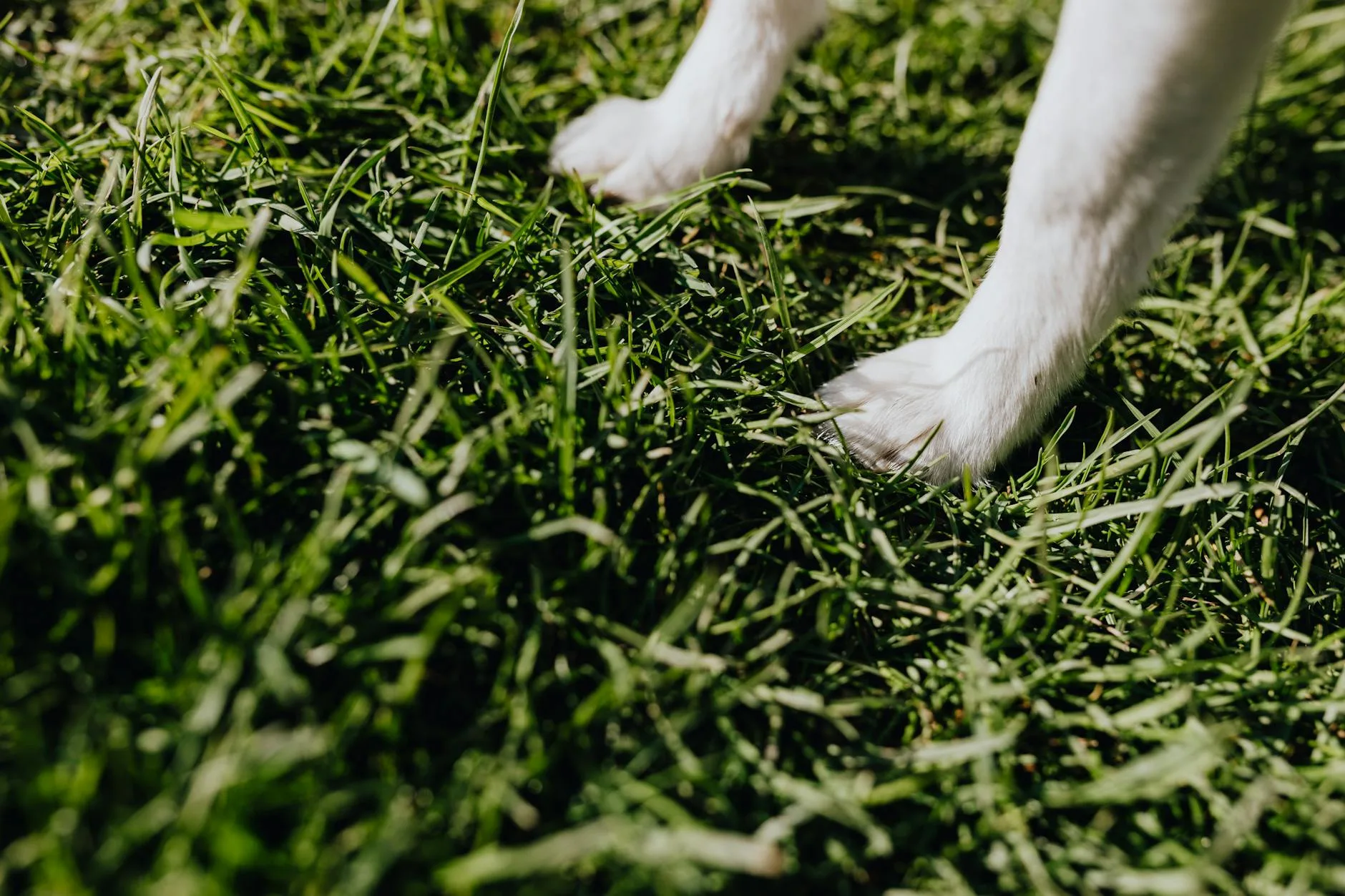
It's true that almost every pet owner has to confront fleas and ticks at some point, but they don't need to be a major problem. Keeping your pet and home flea and tick free is possible with some planning and a calm, persistent effort.
This guide is meant to help you manage flea and tick problems without undue stress, and to help you anticipate and avoid problems before they arise.
Why Fleas and Ticks Matter
Fleas can cause itching, skin infections, and in serious infestations, anemia. Ticks can cause Lyme disease and Rocky Mountain spotted fever, among other illnesses. Both fleas and ticks are more than just a nuisance.
Early detection can change everything. Regular monitoring and preventive treatment will stop minor issues from turning into major problems.
Preventive Treatments That Work
Most veterinarians suggest monthly prevention methods. These can be topical, oral, or collar based. These preventative tools kill fleas and ticks before they can reproduce or spread diseases.
Each pet case is unique so discuss with your veterinarian what options and methods are the most effective based on your pet’s age, health, and lifestyle. Pest prevention is recommended year round, even in cold climates, because pests can survive indoors.
Spotting Fleas on Your Pet
Fleas are very small, very fast, and are also very good at hiding away from our sight and to be able to find fleas, owners will often have to sift through their pets' fur to find small dark specks. These small dark specks are flea dirt, which is usually found around our pets' tail, belly, and neck areas. The digested blood turns flea dirt into dark specks which can attract our sight.
Excessive scratching by our pets could be another signal of fleas. Animals are not the only ones that can be affected by this. Cats also have the possibility of being affected by this and, in some cases, can lead to miniature bald patches on our cats.
Finding and Removing Ticks Safely
After your walks or time spent outside, make sure to check your pet for small bumps. Tick bites are common around the head, ears, neck, and toes.
If you spot a tick, use fine tipped tweezers or a tick removing tool, and grab the tick as close to the skin as possible. Pull the tick up straight with consistent pressure. After the tick has been removed, clean the area and keep the tick in a sealed bag, in case your vet wants to test it.
Treating Your Home and Yard
If your pet is infested with fleas, your house is likely to be infested with fleas as well. For treatment, wash beds using hot water, vacuum all carpets, and wash all furniture. Finally, take the vacuum bag and put it in the trash outside.
To treat your yard, mow the grass and clear away leaf litter as ticks often hide there. Some owners apply pest control in the yard to keep pets safe during peak breeding seasons. This can be done in coordination with the veterinarian or local pest control.
If you are aware of how prevention works and notice any issues early, fleas and ticks can be kept at bay. Your vet is the best person to ask about any product, bite, or reaction from your pet. A little focus now can avoid a lot of problems later.