
Why Dental Health Matters for Pets
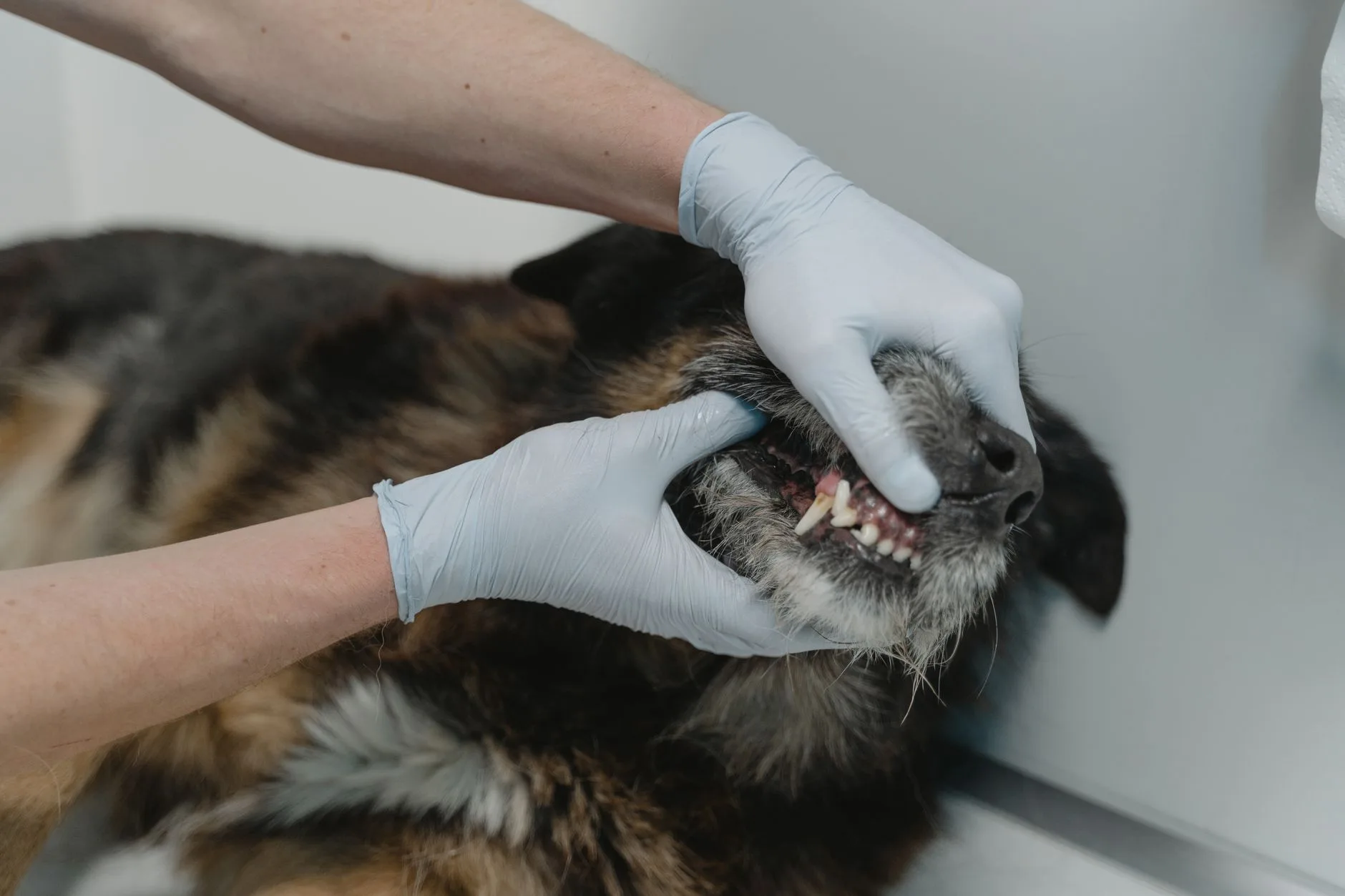
Most of us don't think twice about brushing our own teeth twice a day. However, when it comes to our pets, dental care almost always becomes a low priority.
The reality is, dental health is about a great deal more than your dog or cat's breath. It impacts their overall well being, their ability to eat, and even their health in the long run. Knowing why this is important will help you make the right choices for the pets you love.
What Happens Without Regular Dental Care
Every day, plaque builds up on your pets teeth, just like it does on ours. The more plaque builds up, the more it hardens into tartar, and starts to create rough surfaces in which bacteria can thrive and then multiply.
As this buildup continues to grow and grow, your pets gums could become inflamed, resulting in a case of gingivitis. You may notice your pets gums become red, swollen, and even bleed when he or she chews. If this condition progresses, it can advance to develop into periodontal disease. This disease can greatly affect the integrity of the structures that support your pets teeth. Periodontal disease can develop into infections that can even spread to other areas of your pets body, and can even result in tooth loss and ongoing pain.
The Connection Between Teeth and Overall Health
Dental diseases can spread to other parts of the body. For example, with gum disease, the bacteria can spread through the blood to the heart, liver, and kidneys.
Veterinarians often notice that untreated dental disease can lead to problems with other organs later in life. It’s not the only factor, but if you keep your pet’s mouth healthy, you may be able to reduce the strain on their body as they get older. It’s one of those things that preventative steps really do make a difference in the long run.
Signs Your Pet May Have Dental Problems
While bad breath is noticeable, it isn't the only indicator. You may see that your dog or cat is chewing on one side of their mouth, dropping food, or losing interest in hard treats and kibble.
Pets will sometimes become less active or playful when their mouth hurts. Some will also drool more than usual, or even paw at their face. Any of these changes warrant a call to your veterinarian. Pain caused by dental issues is often subtle, and it’s in an animal’s nature to conceal their discomfort.
What You Can Do at Home
The best home care option is brushing your pet's teeth. It may take time and patience, but it will pay off in the long run. You only need to brush a few times each week to see improvement. It is very important to only use pet friendly toothbrushes and toothpaste, as toothpaste made for people is dangerous to pets if swallowed.
Instead of brushing, you can use dental floss, dental chews, and water additives, but these options are much less effective than brushing. They should only be viewed as an addition to a brushing regimen. I've been very surprised how quickly Copper adapted to having it included in his daily routine. This will be the same for you. As for Juniper, brushing is still a process we are working on.
When Professional Cleaning Is Needed
Although some pets have good home care, professional cleaning is still needed. Your vet can get rid of tarter under the gum line, which you can't reach with a toothbrush.
These cleanings are done under anesthesia, so your vet can carefully inspect and clean each tooth without causing any stress and pain. The frequency of cleanings depends on your pet's breed, age, and the amount of tarter they are prone to accumulate. Some pets need cleaning once a year and some less.
Does Breed or Diet Make a Difference
Dental issues are more common in smaller dog breeds, especially toy breeds, and some cat breeds because their teeth are more crowded. In fact, toy breeds often develop dental issues early in their lives.
Nutrition can contribute. Some degree of dental plaque is removed when a pet eats crunchy (dry) food, but this is not a replacement for regular tooth brushing. Conversely, wet (moist) food can increase plaque and tartar related problems because the food can gum up to their teeth. Working with your veterinarian, you can select foods to address dental issues along with your pet's other health concerns and preferences.
How Often Should I Brush My Pet's Teeth
Brushing your pet's teeth daily is ideal, but brushing just a few times weekly can help keep plaque from building up. What is most important is that brushing happens on a consistent schedule, rather than just infrequent “perfect” brushing sessions.
When starting with a brushing routine, go slowly. Let your pet try a little of the toothpaste, and then just lift their lip and only brush a couple of teeth. Over time, you can work up to brushing their entire mouth. After enough repetition, most pets will become accustomed to the routine.