
Why Is My Cat So Active at Night?
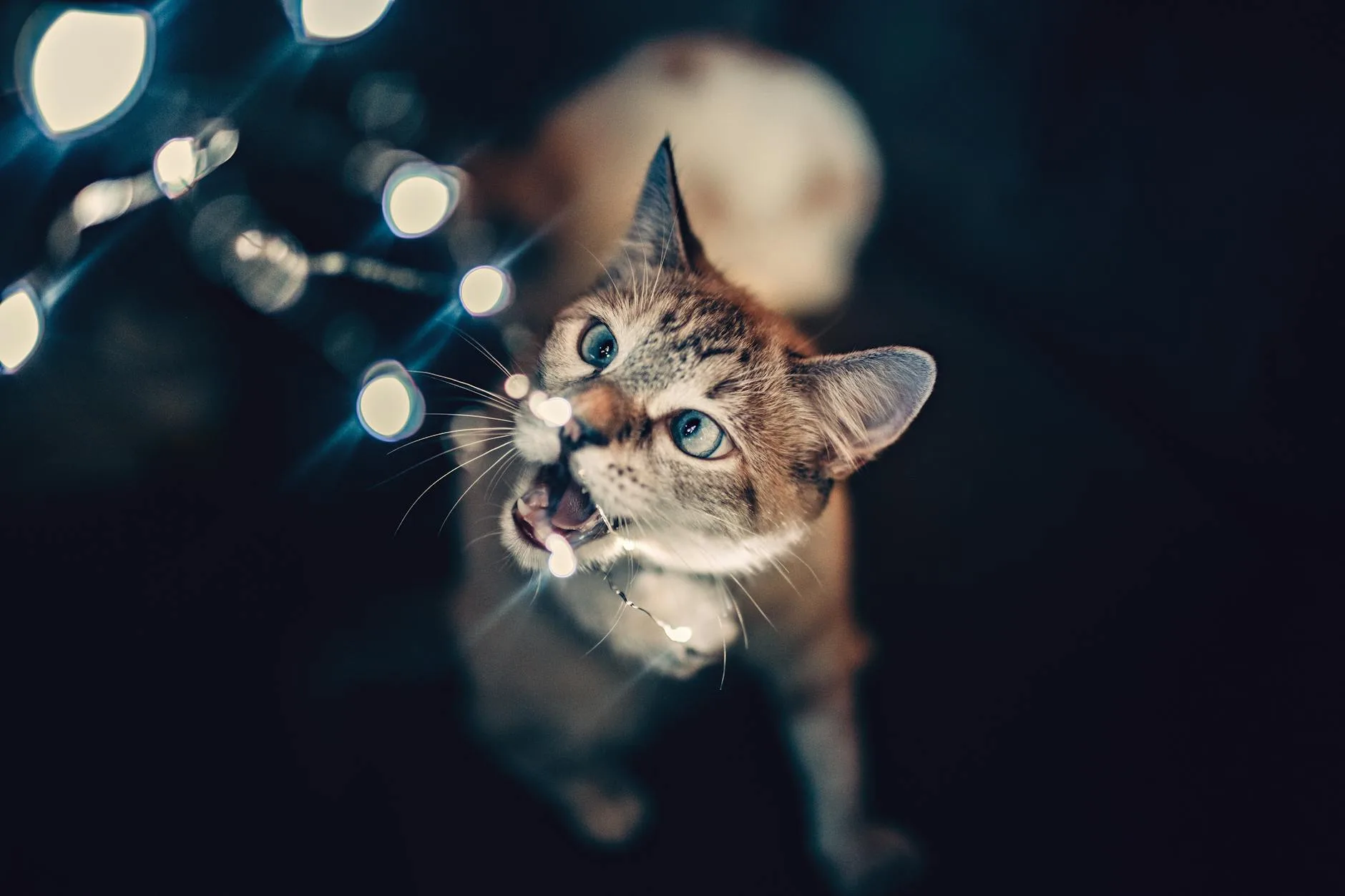
Most likely, the reason why your cat is so active is because your cat is crepuscular and an instinctive nighttime predator.
Your cat is being active because they are in touch with their wild ancestors as nighttime predatory ancestors stems back to dawn and dusk hunting. While your cat hunts as an instinct, it does not take away from the fact that your cat has modern day instincts in the house. Knowing all these points can assist with managing these nightly episodes and it can even help to get sound sleep from all the episodes.
The Crepuscular Nature of Cats
Cats have evolved to hunt at dusk and dawn. Their eyes are designed for low light prey detection, and their muscles are primed for a burst of activity at these times.
This biological clock is even present in indoor cats, who have never hunted. You may have noticed your cat becoming more active at dawn or in the early evening. This is not random but is a behavioral trait of the species.
Boredom During the Day
When it comes to your cat sleeping all day, the house probably becomes quiet and they are about to become restless, putting off the energy they had built up during the day. Cats spend about 12 to 16 hours of their day sleeping and if most of it happens in the daytime, don’t be surprised when the night shifts turn into playtime.
When Juniper would zoom around at 2 a.m. every morning, I worked to change her routine to begin having more stimulation at daytime. Simple interactive play toys, puzzle feeders, and bird feeders placed outside your window are great options for providing stimulation.
Hunger and Feeding Schedules
Cats start to make connections between certain hours and food. They've even started to figure out that they will get food if they meow at you repeatedly to get your attention. This is common when they want to get fed at night or first thing in the mornings. It can lead your cat to wake you during the night to beg for a snack.
Some owners have found that giving a small portion of their cat's daily food to them before they plan to go to bed will help the cat to sleep through the night and not disturb them. Other owners help to break the cat's habit of waking them up and instead set an automated feeder that will go off in the early mornings. This helps to break the connection that they woke up the owners so they do not associate the humans with food.
Age and Energy Levels
Most kittens and young cats are very energetic at night compared to more mature cats. It's completely normal if your cat is under two years old to be experiencing midnight zoomies.
As cats grow older, they tend to calm down, and sleep more soundly through the night. It's common for older cats to be more restless at night due to cognitive changes. If your older cat is just becoming more active at night, that is definitely something to mention to your veterinarian.
How to Help Your Cat Calm Down
The best way to change your cat's habit is to change when they are active. Each night, play with your cat just before bed using stalking/ hunting type toys (wand toys or small objects they can chase). A good 10 to 15 minute play session can tire them out, especially as they are coming to the close of their active period.
After playtime, feeding your cat will encourage them to settle down as it mimics the process of hunting, eating, grooming (grooming is the quiet, settled period), and sleeping. Make sure you don't have a lamp or anything that brightens the room as that will encourage them to stay active.
Cats are naturally active during the night for reasons such as instinct and boredom. Cats can learn to sleep during the same hours as humans, but schedule adjustments to their playtime and feeding and provide more engagement activities will help. If your cat is more active at night than usual, consult your veterinarian to ensure no medical issues are the cause.