
Microchips, Tags, and Keeping Pets Found
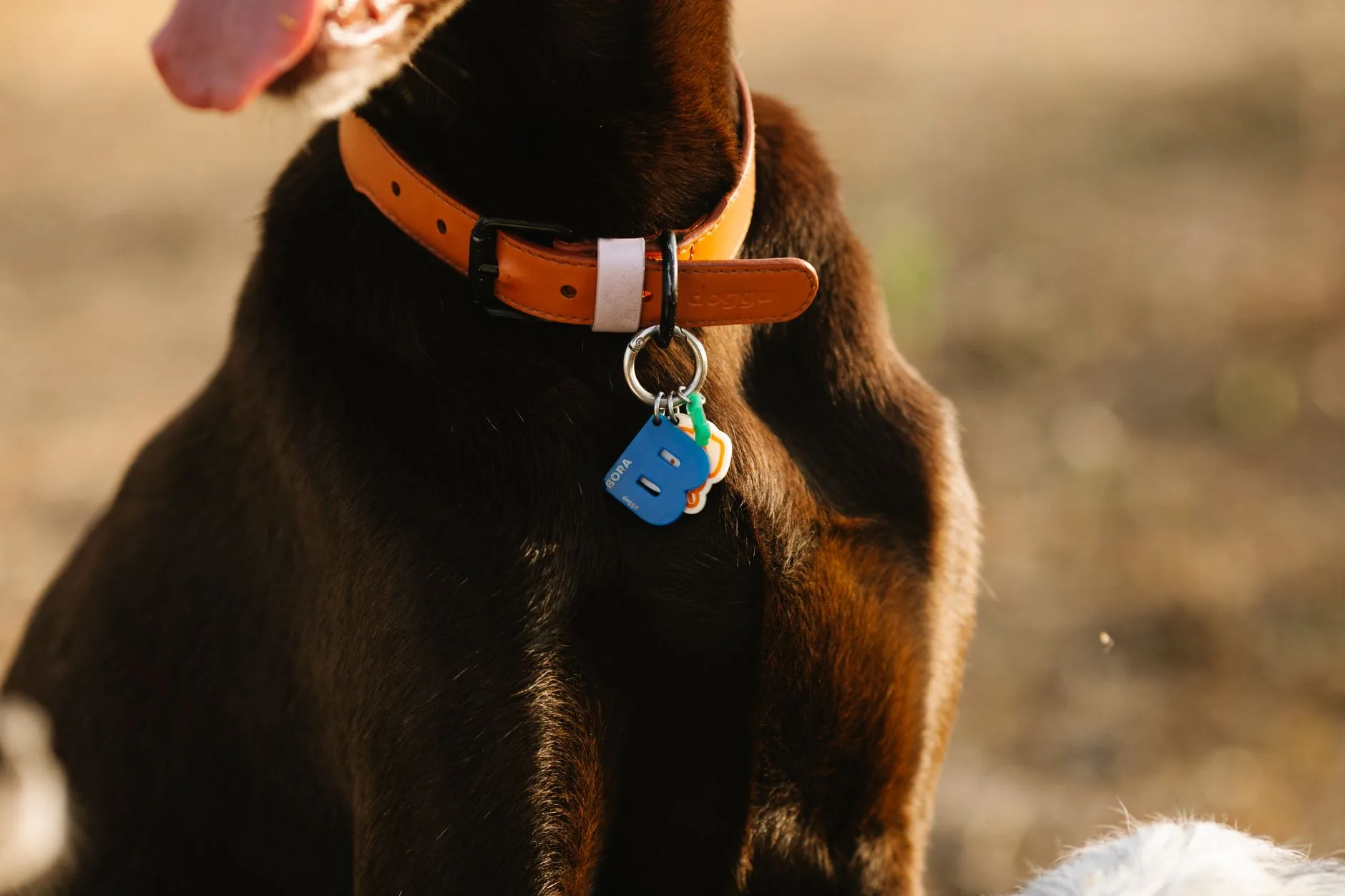
Each year, countless pets go missing. When it comes to finding lost pets, proper identification is crucial, as it can be the difference between a lost pet and one that is found. One of the easiest and most affordable techniques to improve your chances of your lost pet returning home are microchips and ID tags.
When Copper decides to test the boundaries of our yard, I tend to think about this more than I should. But the small sting from the initial setup effort is more than compensated by the identification peace of mind.
Why Both Tags and Microchips Matter
Tags and microchips have different functions, and using both ensures your pet is covered as best as possible. Collar tags are the quickest way for someone to get in touch with you. They can just look at the tag and call, so there is no need to take the pet to a vet or an animal shelter.
Microchips are the secondary method. Collars can come off or break, but a microchip will stay with your pet permanently. Shelters and vet clinics will scan all of the animals they see. If your pet loses its collar, that chip becomes the only way to get in contact with you.
How to Get Your Pet Microchipped
Step one is to make an appointment with your veterinarian or at a local shelter, where microchipping may be offered at a reduced cost. You may also find low cost microchipping events at local shelters.
Step two occurs at the appointment. The veterinarian will implant a chip the size of a grain of rice under your pet's skin between their shoulder blades. This takes only a few seconds and feels like any other routine vaccination. Most pets do not show any reaction at all.
Step three, which is the most vital and commonly overlooked, is registering the microchip number with the manufacturer's database. You will receive a registration form and ID number along with the paperwork. Complete the form with your current phone number and address and include an alternate contact.
Step four is to keep that information up to date as you move or change phone numbers. Outdated microchips also cannot reconnect you to your pet. microchip updates are just as important as any other important account.
Choosing and Using Collar Tags
An example of a proper ID Tag includes your pet's name, your phone number, and ideally, a second contact number. An example of a good practice is adding an address to the ID Tag, but some people may prefer leaving this off for privacy reasons. Either way, both practices are fine, as long as your number is up to date and you answer calls from unknown numbers in the first 48 hours of your pet going missing.
ID Tags should be attached to stable collars, as breakaway collars for cats do come off, so microchipping is very important for them. ID Tags should be checked to ensure the engraving is clear, and the metal ring should be checked to ensure it hasn’t worn through.
Keeping Your Information Current
I set a reminder on my phone to check every six months for the microchip registration for Copper and Juniper. I do this at the same time I do other regular tasks like refilling flea meds. It may seem excessive, but an important reason why microchipped pets do not get returned to their owners is because their microchip registration information is not up to date.
If you move, get a new phone number, or want to add your husband or a neighbor to the contact list, you can do this on the registry. Most companies allow you to do this online at no cost. If you do not know which microchip company is associated with your pet, your vet can tell you by scanning your pet. Then, you can access the registry.
What Happens When Someone Finds Your Pet
Good Samaritans will typically reach out if a lost pet is wearing a tag. This is why visible ID is so important.
However, if your pet is missing a collar or tag, they will often be taken to a vet or shelter. Staff will check for a microchip as soon as they can. They are legally bound to call and report the found pet. Some registries will then call or email the owner of the chip, while other registries will give the shelter your contact information so they can reach out.
Microchips and ID tags are small safety measures that can make a big difference. Getting your pet microchipped and keeping the ID tag current can allow for a happy vs a scary situation. It is a simple proactive measure that gets easy to procrastinate, until suddenly it becomes one of the most important things you can do.